


If these accounts represent Cambodia moving in "the right direction," Cambodians have lots more to worry about.
 January 27, 2010
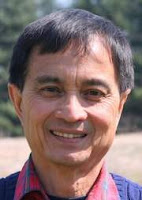
By A. Gaffar Peang-Meth
Pacific Daily News (Guam)
The conflict between Cambodia's proponents of development and of human rights continues, despite the 1991 Paris Peace Accords' stipulation that economic development and respect for human rights must go hand in hand.
Surely a Cambodia in relative peace, with new roads and buildings, is better than the Khmer Rouge's Cambodia of forced labor, destruction and death.
Last month, even U.S. Ambassador to Cambodia Carol Rodley, who acknowledged Cambodia's continued problems with democracy and human rights, told a Long Beach audience that today's Cambodia has more roads, more buildings and more businesses; the people are more competent and more optimistic; Cambodia sends troops with U.N. peacekeepers abroad.
The Monivong Boulevard's Kentucky Fried Chicken, the 27-story Canadia Bank Tower with health club and restaurant, among others, are eye-catching. The third of Cambodia's 13 million people who live on 50 cents a day; the poor scavenging the city's dumps, eating rodent meat or who are evicted from their homes and their land to accommodate new development, aren't.
While the Paris Accords' necessary stipulations weren't implemented, Hun Sen, who lost the 1993 U.N.-organized election, was allowed to elbow himself to become "co-premier." His 1997 coup killed many royalists, and sent the elected premier fleeing town. Sen has ruled without meaningful opposition since.
Cambodia's sad story is written with the help of foreign aid donors, who have provided more than 50 percent a year of Sen's national budget.
A 2006 report by the Cambodian League for the Promotion and Defense of Human Rights (Licadho), "Human Rights in Cambodia: The Façade of Stability," accused the world community of a failure to "speak out" against Sen's regular human rights breaches. It warned: "Cambodia's current period of relative political calm is no guarantor of meaningful long-term stability, and ongoing, systemic human rights violations will, to the contrary, promote instability."
It detailed illegal land grabs, arrests and threats of arrests of opposition and human rights activists, continued impunity, a corrupt, incompetent and politically biased judiciary. "There can be no genuine stability without human rights and rule of law," the report stated
In June 2007, "Cambodia's Family Trees," by the London-based Global Witness, an anti-graft NGO, detailed Premier Sen's family members, business associates and senior officials, dubbed as a "kleptocratic elite," who were allegedly engaged in illegal logging and stripping of Cambodia's public assets for personal profit.
In February 2009, its report, "Country for Sale," charged the same "corrupt elite has captured the country's emerging oil and mineral sectors while Cambodia's international donors turn a blind eye."
"Cambodia today is a country for sale. ... Over the past 15 years, 45 percent of the country's land has been purchased by private interests" and "millions of dollars ... paid to secure concessions" never showed up in Sen's economy and finance ministry's revenue reports.
In the March-April 2009 Foreign Affairs Magazine's "Cambodia's Curse," Stanford's Joel Brinkley wrote that U.S. embassy-funded studies in Phnom Penh "showed in stunning detail that Cambodian government officials steal between $300 million and $500 million a year (most years, the state's annual budget is about $1 billion)."
Regional peace and stability were put at risk last month, as Sen used his favorite graduation ceremony to blast Thai foreign minister Piromya as "chief of terrorists," declaring the Abhisit government does "not have long to live" and charging, "Thailand, you are invading my country, and Cambodia cannot tolerate your invasion."
To show he's in control and his government's popular support, Sen read the results of a survey by the International Republican Institute, a U.S.-based nongovernmental organization: 79 percent of people polled said the Sen government was moving in "the right direction" and 53 percent said they will vote for Sen's ruling Cambodian People's Party.
The reliability of a survey, conducted in a general atmosphere of threats, arrests, physical disappearances, repression and fear may be questioned, but new roads, modern bridges and new schools are improvements that are tangible and real to the Cambodian people.
Andrew Marshall's Dec. 12 "Khmer Riche," in the Good Weekend Magazine for the Sydney Morning Herald, asserted: "The Khmer Rouge are dead; the Khmer Riche now rule Cambodia."
Marshall toured Phnom Penh's Tuol Kork precinct -- like "a 'homes of the stars' tour in Beverly Hills, except that Tuol Kork's backstreets are piled with rubbish" -- as his driver "points out giant mansion after mansion, and tells me who lives there."
"Depressingly, the Khmer Riche Kids sometimes seem indistinguishable from the old colonial ruling class," he wrote. "They carry U.S. dollars ... and live in newly built neoclassical mansions so large that the city's old French architecture looks like Lego by comparison."
Such as Meas Sophearith, 21, son of a general, whose family has a "four-mansion compound with lots of razor wire, and a gate guarded by special forces soldiers." Or Ouch Vichet, 28, whose parents gave him "a villa, half a million U.S. dollars, and a 400-hectare rubber plantation," while his parents-in-law gave him "$100,000 in cash and another villa worth $200,000."
These "rich kids can spend $2,000 on drinks in a single night." They are "Cambodia's future," Marshall wrote.
If these accounts represent Cambodia moving in "the right direction," Cambodians have lots more to worry about.
A. Gaffar Peang-Meth, Ph.D., is retired from the University of Guam, where he taught political science for 13 years. Write him at peangmeth@yahoo.com.
Surely a Cambodia in relative peace, with new roads and buildings, is better than the Khmer Rouge's Cambodia of forced labor, destruction and death.
Last month, even U.S. Ambassador to Cambodia Carol Rodley, who acknowledged Cambodia's continued problems with democracy and human rights, told a Long Beach audience that today's Cambodia has more roads, more buildings and more businesses; the people are more competent and more optimistic; Cambodia sends troops with U.N. peacekeepers abroad.
The Monivong Boulevard's Kentucky Fried Chicken, the 27-story Canadia Bank Tower with health club and restaurant, among others, are eye-catching. The third of Cambodia's 13 million people who live on 50 cents a day; the poor scavenging the city's dumps, eating rodent meat or who are evicted from their homes and their land to accommodate new development, aren't.
While the Paris Accords' necessary stipulations weren't implemented, Hun Sen, who lost the 1993 U.N.-organized election, was allowed to elbow himself to become "co-premier." His 1997 coup killed many royalists, and sent the elected premier fleeing town. Sen has ruled without meaningful opposition since.
Cambodia's sad story is written with the help of foreign aid donors, who have provided more than 50 percent a year of Sen's national budget.
A 2006 report by the Cambodian League for the Promotion and Defense of Human Rights (Licadho), "Human Rights in Cambodia: The Façade of Stability," accused the world community of a failure to "speak out" against Sen's regular human rights breaches. It warned: "Cambodia's current period of relative political calm is no guarantor of meaningful long-term stability, and ongoing, systemic human rights violations will, to the contrary, promote instability."
It detailed illegal land grabs, arrests and threats of arrests of opposition and human rights activists, continued impunity, a corrupt, incompetent and politically biased judiciary. "There can be no genuine stability without human rights and rule of law," the report stated
In June 2007, "Cambodia's Family Trees," by the London-based Global Witness, an anti-graft NGO, detailed Premier Sen's family members, business associates and senior officials, dubbed as a "kleptocratic elite," who were allegedly engaged in illegal logging and stripping of Cambodia's public assets for personal profit.
In February 2009, its report, "Country for Sale," charged the same "corrupt elite has captured the country's emerging oil and mineral sectors while Cambodia's international donors turn a blind eye."
"Cambodia today is a country for sale. ... Over the past 15 years, 45 percent of the country's land has been purchased by private interests" and "millions of dollars ... paid to secure concessions" never showed up in Sen's economy and finance ministry's revenue reports.
In the March-April 2009 Foreign Affairs Magazine's "Cambodia's Curse," Stanford's Joel Brinkley wrote that U.S. embassy-funded studies in Phnom Penh "showed in stunning detail that Cambodian government officials steal between $300 million and $500 million a year (most years, the state's annual budget is about $1 billion)."
Regional peace and stability were put at risk last month, as Sen used his favorite graduation ceremony to blast Thai foreign minister Piromya as "chief of terrorists," declaring the Abhisit government does "not have long to live" and charging, "Thailand, you are invading my country, and Cambodia cannot tolerate your invasion."
To show he's in control and his government's popular support, Sen read the results of a survey by the International Republican Institute, a U.S.-based nongovernmental organization: 79 percent of people polled said the Sen government was moving in "the right direction" and 53 percent said they will vote for Sen's ruling Cambodian People's Party.
The reliability of a survey, conducted in a general atmosphere of threats, arrests, physical disappearances, repression and fear may be questioned, but new roads, modern bridges and new schools are improvements that are tangible and real to the Cambodian people.
Andrew Marshall's Dec. 12 "Khmer Riche," in the Good Weekend Magazine for the Sydney Morning Herald, asserted: "The Khmer Rouge are dead; the Khmer Riche now rule Cambodia."
Marshall toured Phnom Penh's Tuol Kork precinct -- like "a 'homes of the stars' tour in Beverly Hills, except that Tuol Kork's backstreets are piled with rubbish" -- as his driver "points out giant mansion after mansion, and tells me who lives there."
"Depressingly, the Khmer Riche Kids sometimes seem indistinguishable from the old colonial ruling class," he wrote. "They carry U.S. dollars ... and live in newly built neoclassical mansions so large that the city's old French architecture looks like Lego by comparison."
Such as Meas Sophearith, 21, son of a general, whose family has a "four-mansion compound with lots of razor wire, and a gate guarded by special forces soldiers." Or Ouch Vichet, 28, whose parents gave him "a villa, half a million U.S. dollars, and a 400-hectare rubber plantation," while his parents-in-law gave him "$100,000 in cash and another villa worth $200,000."
These "rich kids can spend $2,000 on drinks in a single night." They are "Cambodia's future," Marshall wrote.
If these accounts represent Cambodia moving in "the right direction," Cambodians have lots more to worry about.
A. Gaffar Peang-Meth, Ph.D., is retired from the University of Guam, where he taught political science for 13 years. Write him at peangmeth@yahoo.com.








