


http://www.youtube.com/watch?v=erKVboNIrWA
Showing posts with label Opposition parties. Show all posts
Showing posts with label Opposition parties. Show all posts
Thursday, September 13, 2012


Friday, September 07, 2012
Land, Borders Reemerge as Top Issues for 2013 Elections
 |
| Arrest during protest of Borei Keila forced eviction |
 |
| Border markers planted inside Cambodian territories |
Border sovereignty and landlessness are likely to be the two most politically important issues of this election.
07 September 2012
Sok Khemara, VOA Khmer
...the ruling party “has no real intention, no ability and no will to address the issues,” [Kem Sokha] said. “So people must change the ruling party and incumbent leaders by switching to the opposition party to hold power.”
WASHINGTON DC - With national elections less than a year away, ruling party officials have begun a publicity campaign to show they are tackling tough issues facing the country, such as border delineation and land grabs, but opposition leaders say the Cambodian People’s Party cannot claim it has solved the issues itself.
Without the opposition to push the issues, the ruling party would “sit on its hands” and not resolve national issues, said Kem Sokha, president of the Human Rights Party and soon-to-be vice president of the Cambodia National Rescue Party.
Border sovereignty and landlessness are likely to be the two most politically important issues of this election, election observers say, with both sides trying to capitalize on them.
Kem Sokha said the issues help the opposition, even if the ruling party is perceived to be handling them.
Tuesday, September 04, 2012
Local Election Monitors Share Concern for Legitimate Elections
 |
| Cartoon by Sacrava (on the web at http://sacrava.blogspot.com) |
The envoy, Surya Subedi, said in a statement this week the National Election Committee must be reformed.
01 September 2012
Sok Khemara, VOA Khmer
WASHINGTON DC - Local election monitors in Cambodia say they too are worried about the legitimacy of the 2013 national elections, following sharp criticism by the UN’s special envoy for human rights.
The envoy, Surya Subedi, said in a statement this week the National Election Committee must be reformed and the opposition allowed a chance to fairly contest the elections if they are to be considered legitimate.
Puthea Hang, executive director of the Neutral and Impartial Committee for Free and Fair Elections in Cambodia, said civic groups in the country want similar reforms, but that many of them are opposed by the ruling party.
The NEC is often accused of political bias toward the Cambodian People’s Party and has been criticized for complicated voter registration and other administrative processes that make it difficult for some people to vote and makes it easy for local officials of the ruling party to influence the vote in the party’s favor.
Friday, August 31, 2012
Mobilize Youths: Op-Ed by Kham Logue
 |
| Opposition youth campaigning in Battambang during the 2012 commune election |
Originally posted on http://khamerlogue.wordpress.com/
`The Group good supersedes the Individual good', is an old adage but it still works timelessly like an old charm. The idealists, and especially the youths are fond of it.
In Cambodia politic, often youths were ignored but Hun Sen politicized them in greater good in volunteerism for the benefits of the society after his border demarcation address.
On 9 August 2012 Hun Sen's made a grand entrance and grand standing in his 5 hour border demarcation and swapping land with Yuon clarification address before the National Assembly. That had risen both in positive and negative feedbacks. The opposition seemed to think Hun Sen was unable to escape his treacherous acts.
Other hands his officials honored him with extraordinaire title. Before the youths eyes, Hun Sen made a historical event that none of the past regime leaders had achieved. This comparable to how one sees the half empty or half full glass example. At the same time, it appeared Hun Sen won approval on TKO over the opposition political jabs.
Wednesday, July 25, 2012
The Birth of A New Movement for Democracy for Cambodia
25 July 2012
By Mu Sochua
By Mu Sochua
5 major decisions made in Manila for a united democratic movement to lead to a new party for national rescue according to the will of our people. We have solutions - we have commitment - we have full support of the people. Together, the opposition already 30% of popular votes. United we create energy and SYNERGY. Thru nationwide public fora, we engage, we mobilize, we listen, we take action for change for justice and to end the culture of impunity and corruption. We install HOPE for all. This is YOUR movement. JOIN US.
http://www.youtube.com/watch?v=Jjx7KelF1Tk
Monday, July 23, 2012
Cambodia's opposition parties to merge as a new party: Joint Statement
PHNOM PENH, July 17 (Xinhua) -- The Sam Rainsy Party, which is the country's main opposition party, and the Human Rights Party announced Tuesday that they would "merge to form a new political party" to compete in the general elections in July next year, according to a joint statement.
The merger plan was made after the two-day meeting on July 16- 17 between Sam Rainsy, the fugitive leader of Sam Rainsy Party, and Kem Sokha, president of the Human Rights Party, in Manila, the Philippines.
According to the agreement, Sam Rainsy will be the president of the yet-to-form party and Kem Sokha will be the deputy leader.
Saturday, July 21, 2012
Tuesday, July 10, 2012
Time to change the corrupt leaders of the National Election Cheating (NEC): Civil Society
 |
| លោក អ៊ឹម សួស្តី (ឆ្វេង) ប្រធានគណៈកម្មាធិការជាតិរៀបចំការបោះឆ្នោត (គ.ជ.ប) ថ្លែងក្នុងសន្និសីទកាសែត នាទីស្ដីការ គ.ជ.ប កាលពីព្រឹកថ្ងៃសុក្រ ទី៦ ខែកក្កដា ឆ្នាំ២០១២។ (RFA/Den Ayuthea) |
សង្គមស៊ីវិលស្នើឲ្យសមាសភាពដឹកនាំ គ.ជ.ប អាណត្តិថ្មីជាមនុស្សស្អាតស្អំ
2012-07-10
ដោយ ដែន អយុធ្យា
Radio Free Asia
នៅគ្រាអាណត្តិដឹកនាំរបស់ស្ថាប័នគណៈកម្មាធិការជាតិរៀបចំការបោះឆ្នោត (គ.ជ.ប) ជិតផុតអាណត្តិនៅចុងឆ្នាំ២០១២ នេះ មន្ត្រីបក្សប្រឆាំង និងសង្គមស៊ីវិល ទទូចឲ្យរដ្ឋាភិបាល និងស្ថាប័នពាក់ព័ន្ធធ្វើកំណែទម្រង់ក្បាលម៉ាស៊ីនដឹកនាំស្ថាប័ន គ.ជ.ប ដើម្បីឲ្យស្ថាប័ននេះមានឯករាជ្យ។
លោក កឹម សុខា ប្រធានគណបក្ស សិទ្ធិមនុស្ស និងជាអ្នកតំណាងរាស្ត្រមណ្ឌលកំពង់ចាម លោកបានឲ្យដឹងនៅថ្ងៃទី៩ ខែកក្កដា ថា រដ្ឋាភិបាល និងក្រសួងមហាផ្ទៃ ត្រូវជ្រើសរើសសមាសភាពដឹកនាំស្ថាប័ន គ.ជ.ប អាណត្តិថ្មី ជាមនុស្សមិនស្ថិតក្រោមគណបក្សនយោបាយណាមួយ។
លោកបន្តថា សមាសភាពស្ថាប័ន គ.ជ.ប អាណត្តិថ្មី គួរជ្រើសចេញពីអតីតមន្ត្រីសង្គមស៊ីវិល ឬមន្ត្រីរដ្ឋាភិបាល ដែលចូលនិវត្តន៍យ៉ាងតិច១០ មកជំនួស ទើបអាចឲ្យស្ថាប័ននេះមានឯករាជ្យ។
Friday, June 29, 2012
Opposition Merger Means ‘a Chance To Win,’ Analyst Says
 |
| (Photo: The Phnom Penh Post) |
Men Kimseng, VOA Khmer | Washington, DC
In the wake of minor wins in the local commune elections early this month, two opposition parties are now in negotiations to merge together for next year’s general election.
Officials from the Sam Rainsy and Human Rights parties are set to meet next month in Manila to lay groundwork for a possible merging before the national election scheduled for July 2013.
Ou Virak, president of the Cambodian Center for Human Rights, sees this as a positive move. The election law provides advantages to a bigger party, he said. And an opposition merger will make it easier to field competent candidates and to spend money wisely, he said.
“If they stay separated it gives a lot of advantages to the Cambodian People’s Party,” Ou Virak told VOA Khmer. “If these parties merge, they have a chance to win in 2013.”
Sunday, April 15, 2012
Hon. Thach Setha, SRP Senator and Permanent Committee Member: Role of Opposition Party in the Legislative and Executive branches
 |
| Hon. Thach Setha SRP Senator, Permanent Committee Member and Executive Director of the Khmer Kampuchea Krom Community, KKC |
Seminar on Role of Opposition Party in the Legislative and Executive branches in the Kingdom of Cambodia on April 9, 2012:
Tuesday, February 14, 2012
Demonstrators Are Not Political Opposition: Analyst
 |
| Lao Monghay, an independent analyst, who is a regular guest on “Hello VOA.” (Photo: VOA Khmer) |
Monday, 13 February 2012
Sok Khemara, VOA Khmer | Washington, DC
“They should look at the constitution in terms of the obligation of people.”
A leading political analyst says the ruling party has confused the rights of free speech and expression with political opposition, especially as people gather to protest policies or injustices.
“As long as people use the rights and freedoms stipulated in the constitution and other agreements of human rights in the world…there should be the application and use of those rights and freedoms,” said Lao Monghay, who is a regular guest on “Hello VOA.”
Government officials have begun to equate criticism with opposition, he said. “I think this is a stereotype that is wrong according to the meaning and practical application of many liberal and democratic countries.”
Friday, July 29, 2011
Aust backed opposition, anti-corruption in Cambodia: WikiLeaks
| With the recent release of hundreds of cables from the US embassy in Phnom Penh, the WikiLeaks spotlight turns to Cambodia, a fast growing country of 15 million people and number seven on the list of recipient countries of Australian aid. Confidential cables leaked include detailed diplomatic manoeuvring by the international community, especially the US, the UK, France, Japan and Australia, over the UN-sponsored Khmer Rouge Tribunal (KRT). The KRT is tasked with prosecuting former regime leaders responsible for the genocidal “Killing Fields” of the 1970s that saw several million people killed. In 2009, Australia risked a breach of international unity when it sided with the Cambodian government against the United Nations on anti-corruption mechanisms for the KRT. Australia’s main concerns appeared to be mission creep, cost and a desire to let the Cambodian people own the process. One cable suggests Australian ambassador Margaret Adamson had inside knowledge of the court, saying “sources at the court told [Adamson] the Pre-Trial Chamber (PTC) had reached a decision on UN co-prosecutor Robert Petit’s appeal to indict up to six additional suspects in a Case 3 at the KRT. She stated that the decision — which she did not reveal — was not being announced until the judges thought that the time was right.” There are also hints that Australia and the Cambodian expat community living in Australia are heavily involved in trying to bolster the opposition in Cambodia. One opposition MP told the US ambassador he would get more support locally by being a “lesser opposition voice in parliament” but more support from richer expats in Australia and elsewhere “by positioning himself as a strident voice” against the government. In 2007, media freedom was so “fragile”, non-government candidates “had to buy airtime on the state-owned television network with Australian funding”. |
Tuesday, April 19, 2011
Sam Rainsy's letter in reply to Kem Sokha's question about a formula for uniting SRP and HRP
 |
| Click on the letter to zoom in |
Opposition Leader Sam Rainsy's reply to Mr. Kem Sokha's question about the formula for uniting the SRP and the HRP
 |
| Sam Rainsy (Photo: Reuters) |
Dear colleagues,
By now, you must be aware of Kem Sokha's letter to me dated April 18. All the press has received it and has asked for my reply to Kem Sokha's question about the formula for uniting the Sam Rainsy Party and the Human Rights Party: Creation of a new party with a new name, or merger with the SRP?
I've just replied to VOA and RFA that before choosing any FORMULA for a union, we must first show the required SPIRIT for a genuine and sincere union. Such a spirit requires mutual respect and mutual solidarity as real partners in a real union would show to each other.
Therefore, the HRP, if it is sincere, must stop publicly treating the SRP as an enemy by using the same language, the same propaganda tools and the same political tricks (such as displaying "defectors") as the ones used by the CPP in their continuous attempt to "break" the SRP.
Friday, February 11, 2011
CAMBODIA: Lessons from Tunis and Cairo that premier Hun Sen and Cambodian democrats can learn
FOR PUBLICATION
AHRC-ETC-004-2011
February 11, 2011
An article by Dr. Gaffar Peang-Meth published by the Asian Human Rights Commission
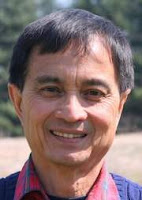 There are lessons from events in Tunisia and Egypt, useful for Cambodia's ruler, Hun Sen, made prime minister by the Vietnamese occupation forces in January 1985; and for Cambodia's democrats, fighting autocracy.

AHRC-ETC-004-2011
February 11, 2011
An article by Dr. Gaffar Peang-Meth published by the Asian Human Rights Commission
There are lessons from events in Tunisia and Egypt, useful for Cambodia's ruler, Hun Sen, made prime minister by the Vietnamese occupation forces in January 1985; and for Cambodia's democrats, fighting autocracy. On Dec. 17, 2010, a Tunisian street vendor set himself on fire and triggered a tsunami of protests that sent the autocratic president of 23 years, Ben Ali, fleeing the country 29 days later. The despots of the near by countries and the Middle East have felt uneasy ever since.
Egyptians, who have their own Facebook memorial page for 28-year old Khaled Saeed who is said to have been beaten to death in June by policemen in Alexandria, were inspired by the events in Tunisia. The Facebook revolution by liberal and secular youths unleashed the Jan. 25 "day of rage" in Egypt. The several thousand pro-democracy protesters swelled quickly into hundreds of thousands demanding the resignation of President Hosni Mubarak, Egypt's ruler for 30 years.
One learns to avoid the unwanted, and to seek the desirable. The problem is some people think they already know and understand all they need and are not compelled to learn from others.
The eighteenth-century English poet Alexander Pope (1688-1744) said, "Some people will never learn anything … because they understand everything too soon". American psychiatrist Thomas S. Szasz thinks, young children learn so easily because they are not aware of their self-importance, as grownups are concerned with their perceived self-esteem.
Hun Sen: "I will close the door and beat the dog"

Concerned with events in Tunisia, a Cambodian rights activist in Europe told Radio Free Asia that corruption, social and economic injustices, and political repression in Cambodia may lead to similar occurrences.
Wednesday, November 03, 2010
Interview with SRP MP Mu Sochua regarding Hillary Clinton’s visit to Cambodia
 |
| Opposition MPs' meeting with US Secretary of State at the US ambassador's residence in Phnom Penh (Photo: US Embassy in Cambodia) |
By Chivita
Radio Free Asia
Translated from Khmer by Soy
During the official visit of US Secretary of State Hillary Clinton to Phnom Penh on 01 November, besides meeting with Cambodian government leaders and students, Mrs. Clinton – the wife of former US President Bill Clinton – also met with opposition officials.
What were the topics of their discussion?
Please listen to SRP MP Mu Sochua who was interviewed by RFA’s Chivita below:
(If you have difficulties with the links above, click here to listen on RFA website)
Wednesday, March 31, 2010
An icon fades in Cambodia

Apr 1, 2010
By Sebastian Strangio
Asia Times
PHNOM PENH - By uprooting six wooden border markers last October along the Vietnamese border, Cambodia's opposition leader Sam Rainsy again cast himself in the familiar role of a thorn in the flesh of authority.
Earlier this year, a court sentenced Rainsy to two years in prison in absentia for uprooting the posts. He now faces additional misinformation charges that carry a possible 18 years in prison. He has been stripped of his parliamentary immunity twice in the past year.
Though his Sam Rainsy Party (SRP) remains the kingdom's biggest proponent of Western-style democracy, Rainsy's decision to go into self-imposed exile in France to continue his campaign against alleged Vietnamese incursions into Cambodian territory has raised questions whether the 61-year-old politician has lost his direction and his party its past relevance in a fast-shifting political landscape.
Premier Hun Sen, who in 1997 ousted his long-time rival Prince Norodom Ranariddh in a bloody factional coup, has successfully consolidated his position at the center of the country's politics. Hun Sen's Cambodian People's Party (CPP) has presided over a period of rapid economic growth - between 2004 to 2007 gross domestic product grew at an average of around 10% - and the party's continued success at the ballot box has demonstrated that the majority of Cambodians are willing to overlook its more authoritarian tendencies in exchange for economic progress.
Meanwhile, the past year has been a tumultuous one for the SRP, which controls 26 seats in Cambodia's 123-seat National Assembly. Aside from Rainsy's border imbroglio, SRP lawmakers Mu Sochua and Ho Vann both lost their parliamentary immunity after being accused of defaming senior CPP officials. These political stand-offs earned attention in the chambers of the US Congress and the European parliament in Brussels, but it's unclear whether the SRP's antagonistic strategies have maximized it's chances of leveraging Cambodia's demographic changes (as much as half of the population is under 24 years of age) into medium-term political gains.
By some assessments, the party has declined since its mid-2000s peak, a trend illustrated by its failure to capture the voters who withdrew their support from the royalist Funcinpec party after it split along factional lines in 2006. "All those votes should have gone to the SRP, and they didn't," said Ou Virak, president of the Cambodian Center for Human Rights.
He said the SRP's lack of concrete policies has personalized its frequent spats with the government and the lack of party vision has dragged it into various unwinnable battles with the CPP-controlled parliament. "There's no proper analysis or real policy," said Ou Virak. "If you're going to oppose something or are you in a position to offer anything, that's different?"
The SRP's campaigns against Hun Sen's authoritarianism and his cozy ties to former invader and occupier Vietnam have done little to change the country's political or economic realities. The CPP continues to control all three branches of government, as well as a large swathe of the print and broadcast media.
At the 2008 polls, the CPP captured over 58% of the popular vote and notched 90 National Assembly seats - more than the two-thirds majority needed to pass laws unanimously. The SRP increased its parliamentary representation from 24 to 26 in 2008, but its share of the popular vote remained steady at around 22%.
Over the same five-year period, the vote for the royalist movement - once a powerhouse of Cambodian politics under the Funcinpec party - shrank from 20.8% of the vote to just over 10%. Most of those lost votes were usurped by the ruling CPP, despite its long-time and often heated antagonism towards the royalist party.
Another political observer said that SRP's failure to capitalize on the rift in the royalist movement represented a "huge" missed opportunity for the party and that its recent political theatrics, including the border post stunt, had "steered the party way off message".
"They talk about party leaders being persecuted on the basis of esoteric rights that many Cambodian people have very little ownership of. They've adapted to appeal to outside constituencies rather than Cambodian voters," the observer said.
Sorpong Peou, a professor of political science at Sophia University in Tokyo, concurred that the SRP's appeals to distant international organizations focused on democracy promotion and good governance have achieved little for the party domestically, where it remains "at the mercy" of Hun Sen and his ruling party.
"[The CPP] is willing to allow a degree of opposition in order to legitimize its domination and uses this type of legitimacy to gain international support," she said. "In this sense, the opposition's appeals have little real impact on domestic politics."
To be sure, Rainsy has been down before only to bounce back. Between 2005-06 he lived in self-exile in France for a year after being stripped of his parliamentary immunity and ordered jailed for 18 months on criminal defamation charges. He only returned to Cambodia in February 2006 after recanting comments he made about Hun Sen and receiving a royal pardon from King Norodom Sihamoni.
This time, though, Rainsy faces a less accommodating international landscape given the recent diplomatic overtures to Hun Sen's government made by the United States, which has prioritized a policy of counterbalancing China's rising regional influence. For years, Rainsy benefited from the US's antagonistic approach towards the government, a policy influenced by a bloody 1997 grenade attack on a peaceful opposition rally that many claim was orchestrated by members of Hun Sen's personal bodyguard unit.
Ou Virak said that one new problem for Rainsy is that repeated petitions to international organizations - one of the few cards the leader has left to play - could be falling on increasingly deaf ears. "You can do it once or twice, but governments get fatigued, donors get fatigued ... You're running a risk of people no longer paying attention," he said. "Eventually he'll have to take it to the next level and that means facing possible imprisonment." He added: "He's no Aung San Suu Kyi. He's not going to come back."
Donor darling
When Sam Rainsy returned to Cambodia from France in 1992, he was a rising star in the royalist political firmament. A founding member of then-prince Norodom Sihanouk's Funcinpec party in 1981, Rainsy had risen through the ranks to become an elected parliamentarian during Funcinpec's stunning win in the United Nations-backed 1993 elections and was appointed minister of finance in the Funcinpec-CPP coalition government.
His ascent, however, was short-lived and the fall that followed set the tone for a political career that would be marked by a consistently adversarial relationship with the government. In October 1994 - just over a year after his appointment - Sam Rainsy was dismissed from his post in a major cabinet reshuffle following his criticisms of the corruption and nepotism that plagued the coalition. The following year, his continued criticisms led to his expulsion from the party and the loss of his National Assembly seat.
At the time of its founding in 1995, the Khmer Nation Party (KNP) - the SRP's predecessor - was a breath of fresh air on the Cambodian political landscape. Unlike the CPP - which secured its support through a patronage system established in the 1980s - and Funcinpec, which traded heavily on the prestige of the monarchy, Sam Rainsy's new party put liberal democratic principles front and center. At the time, he said his expulsion from Funcinpec would give him the opportunity "to mobilize millions of people" sharing the same ideals.
Even with its egalitarian bent, the SRP's constituency to this day remains overwhelmingly urban. In 2008, it won six of its 26 seats in Phnom Penh and five in urban Kampong Cham, as well as three each in Kandal and Prey Veng, both densely populated provinces close to the capital. In half of Cambodia's 24 provinces and municipalities - among them the most remote and least populated - the party failed to win a single seat.
Caroline Hughes, an associate professor of governance studies at Murdoch University in Australia, claims that the SRP is not totally to blame for its poor electoral performances in rural areas, where the CPP used intimidation and patronage to secure votes. She said Sam Rainsy - a "donors' darling" in the early 1990s - has gradually become a more "marginal" figure because of waning international support, a rift with the Cambodian union movement and a concerted campaign of violence and intimidation against his supporters that included the bloody 1997 grenade attack.
"I don't think we can blame the SRP for the weakness of the Cambodian political opposition when the government has worked consistently to reduce the political space for any kind of organized activism on any issue," she said.
Others, however, believe the party's growth has been stunted by the erosion of its own internal democratic processes and by the constant threat of defections and government intimidation. The SRP, Ou Virak said, is "like a scared child" frightened by the threat of infiltration by the ruling party and suspicious of newcomers. "There are some good people in the party that I know that cannot move up in the ranks," he said. "There are some very good people who were left out."
For example, Ken Virak was a member of the SRP's Steering Committee who left to form his own party - the People's Power Party (PPP) - in 2007 after becoming disillusioned with the SRP's internal workings. He said the SRP had given up its role as a democratic opposition party "step by step" and that its steering committee - nominally in charge of party decision-making - no longer had real power.
"There is no democracy inside the party. Most of the decisions are made only by a minority of members who are powerful in the party and associated with Sam Rainsy," he said. "I found that before every election, members of the party always broke away because of the political decision-making and partisanship," he said.
Ken Virak said that all opposition groups, including the new Human Rights Party (HRP) and his PPP, must unite if they are to have a chance at cutting into the CPP's majority at the next national election, which must be held by 2013. But a united opposition is still a distant threat to CPP dominance: proposed mergers between the SRP and HRP and two remaining royalist parties have all foundered on personal disagreements between their leaders.
Political family
Born in Phnom Penh in 1949, Rainsy's formative years were influenced by Cambodia's rough and tumble politics. His father, Sam Sary, was a key member of Sihanouk's Sangkum Reastr Niyum government, but fell from grace after he was implicated in the so-called Bangkok Plot of 1959, an attempt to topple the government with the support of Thailand's right-wing Field Marshal Sarit Thanarat.
Sam Sary disappeared in 1962 and was presumed killed, possibly by the government. Shortly afterwards, Rainsy's mother, In Em, took the remaining family members to live in France, where he was educated and remained for the next three decades. In a recent Phnom Penh Post interview, Rainsy described his father's death as a "traumatizing" experience, but said that his political views permeated the family and influenced the trajectory of his own political development.
Certain pivotal events in Europe, including the Soviet invasion of Hungary in 1956, were topics of conversation at the dinner table and went some way to forming the ideals that grew into the SRP's blend of liberal internationalism with appeals to Khmer nationalism.
"When it came to Southeast Asia, my father was in favor of a strict neutrality - that Cambodia should not move closer to the communist world," Rainsy said. "This has marked my background and my conviction that communism is oppressive - that freedom is essential and that we have to fight for [it]."
Rainsy said that despite being founded largely on his own initiative in 1995, the KNP - renamed the SRP in 1998 because of legal disputes over the KNP name - had grown into an "organization of its own" linking Cambodia with Khmer communities abroad. He also downplayed his role as the party's figurehead, referring to it as an "anachronistic" notion.
"If it was a one-man show, the show would have stopped a long time ago given all the problems that we've been facing," he said.
Rainsy said that the SRP was the only party in Cambodia that holds organized elections from the grassroots, a system that was in strict opposition to the CPP's centrally controlled networks. "They appoint their cadres - their apparatchiks - at the grassroots, but we are the only party that has organized elections," he said. Similarly, the "loss" of the former Funcinpec vote was largely "due to intimidation and vote-buying in non-transparent elections", Rainsy said - a claim the opposition has made consistently since the July 2008 election.
Asked how the party might erode the CPP's entrenched network of patronage and make electoral headway in rural areas, Rainsy said that current and future demographic changes were swinging voters towards the SRP - a factor reflected in the party's recent formation of a new youth congress. "It will take less time than one might imagine now because of the progress of technology, information, communication and education," he said. "History is accelerating."
Koul Panha, executive director of the Committee for Free and Fair Elections in Cambodia, a local election monitor, said Rainsy retains substantial political capital for taking a principled stance against corruption in the 1990s and maintaining it has a party platform ever since. He believes the party's main challenge is improving its public relations.
"I think he still has that credibility. He resigned from a key position in government and showed he is that kind of politician," he said. "The problem is how to communicate that credibility to the people." It's likely to remain a problem for the party as long as Rainsy campaigns on issues that appear to have more resonance with foreign audiences than with local voters.
Sebastian Strangio is a reporter for the Phnom Penh Post in Cambodia.
Earlier this year, a court sentenced Rainsy to two years in prison in absentia for uprooting the posts. He now faces additional misinformation charges that carry a possible 18 years in prison. He has been stripped of his parliamentary immunity twice in the past year.
Though his Sam Rainsy Party (SRP) remains the kingdom's biggest proponent of Western-style democracy, Rainsy's decision to go into self-imposed exile in France to continue his campaign against alleged Vietnamese incursions into Cambodian territory has raised questions whether the 61-year-old politician has lost his direction and his party its past relevance in a fast-shifting political landscape.
Premier Hun Sen, who in 1997 ousted his long-time rival Prince Norodom Ranariddh in a bloody factional coup, has successfully consolidated his position at the center of the country's politics. Hun Sen's Cambodian People's Party (CPP) has presided over a period of rapid economic growth - between 2004 to 2007 gross domestic product grew at an average of around 10% - and the party's continued success at the ballot box has demonstrated that the majority of Cambodians are willing to overlook its more authoritarian tendencies in exchange for economic progress.
Meanwhile, the past year has been a tumultuous one for the SRP, which controls 26 seats in Cambodia's 123-seat National Assembly. Aside from Rainsy's border imbroglio, SRP lawmakers Mu Sochua and Ho Vann both lost their parliamentary immunity after being accused of defaming senior CPP officials. These political stand-offs earned attention in the chambers of the US Congress and the European parliament in Brussels, but it's unclear whether the SRP's antagonistic strategies have maximized it's chances of leveraging Cambodia's demographic changes (as much as half of the population is under 24 years of age) into medium-term political gains.
By some assessments, the party has declined since its mid-2000s peak, a trend illustrated by its failure to capture the voters who withdrew their support from the royalist Funcinpec party after it split along factional lines in 2006. "All those votes should have gone to the SRP, and they didn't," said Ou Virak, president of the Cambodian Center for Human Rights.
He said the SRP's lack of concrete policies has personalized its frequent spats with the government and the lack of party vision has dragged it into various unwinnable battles with the CPP-controlled parliament. "There's no proper analysis or real policy," said Ou Virak. "If you're going to oppose something or are you in a position to offer anything, that's different?"
The SRP's campaigns against Hun Sen's authoritarianism and his cozy ties to former invader and occupier Vietnam have done little to change the country's political or economic realities. The CPP continues to control all three branches of government, as well as a large swathe of the print and broadcast media.
At the 2008 polls, the CPP captured over 58% of the popular vote and notched 90 National Assembly seats - more than the two-thirds majority needed to pass laws unanimously. The SRP increased its parliamentary representation from 24 to 26 in 2008, but its share of the popular vote remained steady at around 22%.
Over the same five-year period, the vote for the royalist movement - once a powerhouse of Cambodian politics under the Funcinpec party - shrank from 20.8% of the vote to just over 10%. Most of those lost votes were usurped by the ruling CPP, despite its long-time and often heated antagonism towards the royalist party.
Another political observer said that SRP's failure to capitalize on the rift in the royalist movement represented a "huge" missed opportunity for the party and that its recent political theatrics, including the border post stunt, had "steered the party way off message".
"They talk about party leaders being persecuted on the basis of esoteric rights that many Cambodian people have very little ownership of. They've adapted to appeal to outside constituencies rather than Cambodian voters," the observer said.
Sorpong Peou, a professor of political science at Sophia University in Tokyo, concurred that the SRP's appeals to distant international organizations focused on democracy promotion and good governance have achieved little for the party domestically, where it remains "at the mercy" of Hun Sen and his ruling party.
"[The CPP] is willing to allow a degree of opposition in order to legitimize its domination and uses this type of legitimacy to gain international support," she said. "In this sense, the opposition's appeals have little real impact on domestic politics."
To be sure, Rainsy has been down before only to bounce back. Between 2005-06 he lived in self-exile in France for a year after being stripped of his parliamentary immunity and ordered jailed for 18 months on criminal defamation charges. He only returned to Cambodia in February 2006 after recanting comments he made about Hun Sen and receiving a royal pardon from King Norodom Sihamoni.
This time, though, Rainsy faces a less accommodating international landscape given the recent diplomatic overtures to Hun Sen's government made by the United States, which has prioritized a policy of counterbalancing China's rising regional influence. For years, Rainsy benefited from the US's antagonistic approach towards the government, a policy influenced by a bloody 1997 grenade attack on a peaceful opposition rally that many claim was orchestrated by members of Hun Sen's personal bodyguard unit.
Ou Virak said that one new problem for Rainsy is that repeated petitions to international organizations - one of the few cards the leader has left to play - could be falling on increasingly deaf ears. "You can do it once or twice, but governments get fatigued, donors get fatigued ... You're running a risk of people no longer paying attention," he said. "Eventually he'll have to take it to the next level and that means facing possible imprisonment." He added: "He's no Aung San Suu Kyi. He's not going to come back."
Donor darling
When Sam Rainsy returned to Cambodia from France in 1992, he was a rising star in the royalist political firmament. A founding member of then-prince Norodom Sihanouk's Funcinpec party in 1981, Rainsy had risen through the ranks to become an elected parliamentarian during Funcinpec's stunning win in the United Nations-backed 1993 elections and was appointed minister of finance in the Funcinpec-CPP coalition government.
His ascent, however, was short-lived and the fall that followed set the tone for a political career that would be marked by a consistently adversarial relationship with the government. In October 1994 - just over a year after his appointment - Sam Rainsy was dismissed from his post in a major cabinet reshuffle following his criticisms of the corruption and nepotism that plagued the coalition. The following year, his continued criticisms led to his expulsion from the party and the loss of his National Assembly seat.
At the time of its founding in 1995, the Khmer Nation Party (KNP) - the SRP's predecessor - was a breath of fresh air on the Cambodian political landscape. Unlike the CPP - which secured its support through a patronage system established in the 1980s - and Funcinpec, which traded heavily on the prestige of the monarchy, Sam Rainsy's new party put liberal democratic principles front and center. At the time, he said his expulsion from Funcinpec would give him the opportunity "to mobilize millions of people" sharing the same ideals.
Even with its egalitarian bent, the SRP's constituency to this day remains overwhelmingly urban. In 2008, it won six of its 26 seats in Phnom Penh and five in urban Kampong Cham, as well as three each in Kandal and Prey Veng, both densely populated provinces close to the capital. In half of Cambodia's 24 provinces and municipalities - among them the most remote and least populated - the party failed to win a single seat.
Caroline Hughes, an associate professor of governance studies at Murdoch University in Australia, claims that the SRP is not totally to blame for its poor electoral performances in rural areas, where the CPP used intimidation and patronage to secure votes. She said Sam Rainsy - a "donors' darling" in the early 1990s - has gradually become a more "marginal" figure because of waning international support, a rift with the Cambodian union movement and a concerted campaign of violence and intimidation against his supporters that included the bloody 1997 grenade attack.
"I don't think we can blame the SRP for the weakness of the Cambodian political opposition when the government has worked consistently to reduce the political space for any kind of organized activism on any issue," she said.
Others, however, believe the party's growth has been stunted by the erosion of its own internal democratic processes and by the constant threat of defections and government intimidation. The SRP, Ou Virak said, is "like a scared child" frightened by the threat of infiltration by the ruling party and suspicious of newcomers. "There are some good people in the party that I know that cannot move up in the ranks," he said. "There are some very good people who were left out."
For example, Ken Virak was a member of the SRP's Steering Committee who left to form his own party - the People's Power Party (PPP) - in 2007 after becoming disillusioned with the SRP's internal workings. He said the SRP had given up its role as a democratic opposition party "step by step" and that its steering committee - nominally in charge of party decision-making - no longer had real power.
"There is no democracy inside the party. Most of the decisions are made only by a minority of members who are powerful in the party and associated with Sam Rainsy," he said. "I found that before every election, members of the party always broke away because of the political decision-making and partisanship," he said.
Ken Virak said that all opposition groups, including the new Human Rights Party (HRP) and his PPP, must unite if they are to have a chance at cutting into the CPP's majority at the next national election, which must be held by 2013. But a united opposition is still a distant threat to CPP dominance: proposed mergers between the SRP and HRP and two remaining royalist parties have all foundered on personal disagreements between their leaders.
Political family
Born in Phnom Penh in 1949, Rainsy's formative years were influenced by Cambodia's rough and tumble politics. His father, Sam Sary, was a key member of Sihanouk's Sangkum Reastr Niyum government, but fell from grace after he was implicated in the so-called Bangkok Plot of 1959, an attempt to topple the government with the support of Thailand's right-wing Field Marshal Sarit Thanarat.
Sam Sary disappeared in 1962 and was presumed killed, possibly by the government. Shortly afterwards, Rainsy's mother, In Em, took the remaining family members to live in France, where he was educated and remained for the next three decades. In a recent Phnom Penh Post interview, Rainsy described his father's death as a "traumatizing" experience, but said that his political views permeated the family and influenced the trajectory of his own political development.
Certain pivotal events in Europe, including the Soviet invasion of Hungary in 1956, were topics of conversation at the dinner table and went some way to forming the ideals that grew into the SRP's blend of liberal internationalism with appeals to Khmer nationalism.
"When it came to Southeast Asia, my father was in favor of a strict neutrality - that Cambodia should not move closer to the communist world," Rainsy said. "This has marked my background and my conviction that communism is oppressive - that freedom is essential and that we have to fight for [it]."
Rainsy said that despite being founded largely on his own initiative in 1995, the KNP - renamed the SRP in 1998 because of legal disputes over the KNP name - had grown into an "organization of its own" linking Cambodia with Khmer communities abroad. He also downplayed his role as the party's figurehead, referring to it as an "anachronistic" notion.
"If it was a one-man show, the show would have stopped a long time ago given all the problems that we've been facing," he said.
Rainsy said that the SRP was the only party in Cambodia that holds organized elections from the grassroots, a system that was in strict opposition to the CPP's centrally controlled networks. "They appoint their cadres - their apparatchiks - at the grassroots, but we are the only party that has organized elections," he said. Similarly, the "loss" of the former Funcinpec vote was largely "due to intimidation and vote-buying in non-transparent elections", Rainsy said - a claim the opposition has made consistently since the July 2008 election.
Asked how the party might erode the CPP's entrenched network of patronage and make electoral headway in rural areas, Rainsy said that current and future demographic changes were swinging voters towards the SRP - a factor reflected in the party's recent formation of a new youth congress. "It will take less time than one might imagine now because of the progress of technology, information, communication and education," he said. "History is accelerating."
Koul Panha, executive director of the Committee for Free and Fair Elections in Cambodia, a local election monitor, said Rainsy retains substantial political capital for taking a principled stance against corruption in the 1990s and maintaining it has a party platform ever since. He believes the party's main challenge is improving its public relations.
"I think he still has that credibility. He resigned from a key position in government and showed he is that kind of politician," he said. "The problem is how to communicate that credibility to the people." It's likely to remain a problem for the party as long as Rainsy campaigns on issues that appear to have more resonance with foreign audiences than with local voters.
Sebastian Strangio is a reporter for the Phnom Penh Post in Cambodia.
Friday, February 05, 2010
Original Opposition Party Name Available
By Sok Khemara, VOA Khmer
Original report from Washington
04 February 2010
Original report from Washington
04 February 2010
The opposition Sam Rainsy Party has no plans to change its name back to the original Khmer Nation Party, an official said Wednesday, following the legal release of the original in January.
The name of the Khmer Nation Party was tangled up in legal proceedings after the splintering from the opposition of Kong Muny, who claimed the name and spurred the renaming of the Sam Rainsy Party.
Last month, Kong Muny relinquished his rights to the name, which would allow the opposition to revert to its original at a time where both the Sam Rainsy and Human Rights parties are joined in a loose coalition against the ruling Cambodian People’s Party.
“There is not any decision, besides welcoming and accepting,” Kong Muny said Wednesday.
Kong Muny is a former founder of the Khmer Nation Party, the precursor to the Sam Rainsy Party, but he now oversees the Khmer Angkor Party, which is aligned with the CPP.
He said he was giving up rights to the KNP name “for the national interest.”
Opposition leader Sam Rainsy has come under pressure to change the name of his party before the opposition contests national parliamentary elections in 2013, according to a senior party member who asked not to be named. The Sam Rainsy Party currently holds 26 seats in the National Assembly, followed by the Human Rights Party, which has three. The CPP has 90.
The official said the name of the Khmer Nation Party could be used, but reclaiming the name could also cause rifts or weakening in the opposition. A similar split happened to Funcinpec, the official said, when Prince Norodom Ranariddh split from the party and formed his own eponymous party.
Chea Vannath, an independent political analyst, said the return of the party name could be an incentive for Sam Rainsy, but she warned that a party is not elected on its name alone but on its policies. She also questioned the usefulness of merging parties.
Meanwhile, Sam Rainsy remains in self-imposed exile, facing a two-year jail sentence for racial incitement and the destruction of property if he returns to Cambodia.
The name of the Khmer Nation Party was tangled up in legal proceedings after the splintering from the opposition of Kong Muny, who claimed the name and spurred the renaming of the Sam Rainsy Party.
Last month, Kong Muny relinquished his rights to the name, which would allow the opposition to revert to its original at a time where both the Sam Rainsy and Human Rights parties are joined in a loose coalition against the ruling Cambodian People’s Party.
“There is not any decision, besides welcoming and accepting,” Kong Muny said Wednesday.
Kong Muny is a former founder of the Khmer Nation Party, the precursor to the Sam Rainsy Party, but he now oversees the Khmer Angkor Party, which is aligned with the CPP.
He said he was giving up rights to the KNP name “for the national interest.”
Opposition leader Sam Rainsy has come under pressure to change the name of his party before the opposition contests national parliamentary elections in 2013, according to a senior party member who asked not to be named. The Sam Rainsy Party currently holds 26 seats in the National Assembly, followed by the Human Rights Party, which has three. The CPP has 90.
The official said the name of the Khmer Nation Party could be used, but reclaiming the name could also cause rifts or weakening in the opposition. A similar split happened to Funcinpec, the official said, when Prince Norodom Ranariddh split from the party and formed his own eponymous party.
Chea Vannath, an independent political analyst, said the return of the party name could be an incentive for Sam Rainsy, but she warned that a party is not elected on its name alone but on its policies. She also questioned the usefulness of merging parties.
Meanwhile, Sam Rainsy remains in self-imposed exile, facing a two-year jail sentence for racial incitement and the destruction of property if he returns to Cambodia.
Tuesday, July 21, 2009
HRP votes to proceed with SRP merger if conditions are met [-HRP conditions are out of line?]
Monday, 20 July 2009
Meas Sokchea
The Phnom Penh Post
THE first national convention of the Human Rights Party voted Sunday to push forward with plans to merge with the Sam Rainsy Party, increasing the chance that a newly named opposition party will challenge the ruling Cambodian People's Party in the 2012 commune elections.
The decision to work towards the merger, however, was contingent on three stipulations:
For this reason, he said, the new party should have a new name.
"If the SRP does not want a new party, it means they do not want to merge," he said. "They only want others to defect to them."
Despite previous divisions between the HRP and SRP, Kem Sokha said he believed the parties could no longer afford to be divided, saying only a united front would be able to defeat the CPP.
The HRP president said he would not challenge a move to nominate SRP President Sam Rainsy as the party's candidate for prime minister.
Sam Rainsy could not be reached for comment Sunday, but SRP spokesman and lawmaker Yim Sovann told the Post that the SRP would welcome any parties that wanted to join the SRP.
He said changes to the structure of the party would need to be made by the entire party.
"We need to ask our supporters to decide," he said.
Phay Siphan, spokesman for the Council of Ministers, said Sunday that the CPP did not care about the proposed SRP-HRP merger, arguing that the new party would not pose any threat to CPP control of the National Assembly.
"We are not surprised that they may merge. It could increase their votes ... but it will not affect our victory," he said.
"The CPP is strong. We have internal unity and new blood from SRP and HRP. What the SRP and HRP may do, we already did a long time ago."
Meas Sokchea
The Phnom Penh Post
UPHILL BATTLEAt its first national convention, Human Rights Party officials listed three conditions, including that the resulting party assume a new name.
The Cambodian People’s Party won an overwhelming majority of National Assembly seats in last year’s elections: 90 out of 123 seats.The Sam Rainsy Party won 26 seats, while the Human Rights Party, which was founded in 2007, won just three seats.
THE first national convention of the Human Rights Party voted Sunday to push forward with plans to merge with the Sam Rainsy Party, increasing the chance that a newly named opposition party will challenge the ruling Cambodian People's Party in the 2012 commune elections.
The decision to work towards the merger, however, was contingent on three stipulations:
- that the resulting party would have a new name
- that the new internal party structure would be jointly decided by the SRP and HRP
- and that there would be term limits for the party president.
For this reason, he said, the new party should have a new name.
"If the SRP does not want a new party, it means they do not want to merge," he said. "They only want others to defect to them."
Despite previous divisions between the HRP and SRP, Kem Sokha said he believed the parties could no longer afford to be divided, saying only a united front would be able to defeat the CPP.
The resulting party should be a real merger... not a defection to the SRP."If we really have the will to merge, we will not be divided. In other countries, democrats merge and can win an absolute majority," he said.
The HRP president said he would not challenge a move to nominate SRP President Sam Rainsy as the party's candidate for prime minister.
Sam Rainsy could not be reached for comment Sunday, but SRP spokesman and lawmaker Yim Sovann told the Post that the SRP would welcome any parties that wanted to join the SRP.
He said changes to the structure of the party would need to be made by the entire party.
"We need to ask our supporters to decide," he said.
Phay Siphan, spokesman for the Council of Ministers, said Sunday that the CPP did not care about the proposed SRP-HRP merger, arguing that the new party would not pose any threat to CPP control of the National Assembly.
"We are not surprised that they may merge. It could increase their votes ... but it will not affect our victory," he said.
"The CPP is strong. We have internal unity and new blood from SRP and HRP. What the SRP and HRP may do, we already did a long time ago."
Friday, June 05, 2009
Opposition Voices in Cambodian Politics: Prospects for the Future
 (Photo: Cambodge Soir Hebdo)
The National Democratic Institute And the International Republican Institute Invite You to a Roundtable discussion
Opposition Voices in Cambodian Politics:
Prospects for the Future
with
Sam Rainsy, President of the Sam Rainsy Party (SRP)
Member of the National Assembly
Kem Sokha, President and Founder of the Human Rights Party (HRP)
Member of the National Assembly
Opposition Voices in Cambodian Politics:
Prospects for the Future
with
Sam Rainsy, President of the Sam Rainsy Party (SRP)
Member of the National Assembly
Kem Sokha, President and Founder of the Human Rights Party (HRP)
Member of the National Assembly
Please join the National Democratic Institute and the International Republican Institute for a discussion and analysis of recent political developments, trends in the Cambodian government’s policies, and future opportunities for the country’s opposition parties.
Sam Rainsy and Kem Sokha are leaders of Cambodia’s opposition parties, the SRP and the HRP, and seek to present an alternative to the current ruling party, the Cambodian People’s Party. The CPP has dominated Cambodian politics for decades, recently winning 90 out of 123 seats in the national legislature in 2008.
The SRP and the HRP formed an alliance called the Democratic Movement of Change to contest the provincial, district, and municipal elections held in May 2009. The parties hope to strengthen their position in the 2012 national elections.
The party leaders are in Washington to meet with U.S. legislators and other members of the policy community to discuss the state of Cambodian politics, prospects for democratic political reform, and the defense of human rights. They are joined by Yem Ponhearith, Secretary General of the HRP.
Time
Wednesday, June 10 from 10:30 a.m. to 12:00 p.m.
Location
NDI Board Room
2030 M Street, NW, Fifth Floor
Washington, D.C.
Wednesday, June 10 from 10:30 a.m. to 12:00 p.m.
Location
NDI Board Room
2030 M Street, NW, Fifth Floor
Washington, D.C.
Sam Rainsy and Kem Sokha are leaders of Cambodia’s opposition parties, the SRP and the HRP, and seek to present an alternative to the current ruling party, the Cambodian People’s Party. The CPP has dominated Cambodian politics for decades, recently winning 90 out of 123 seats in the national legislature in 2008.
The SRP and the HRP formed an alliance called the Democratic Movement of Change to contest the provincial, district, and municipal elections held in May 2009. The parties hope to strengthen their position in the 2012 national elections.
The party leaders are in Washington to meet with U.S. legislators and other members of the policy community to discuss the state of Cambodian politics, prospects for democratic political reform, and the defense of human rights. They are joined by Yem Ponhearith, Secretary General of the HRP.
RSVP
Christina Costello at ccostello@ndi.org
or (202) 728-5677
Christina Costello at ccostello@ndi.org
or (202) 728-5677
Subscribe to:
Posts (Atom)








