Showing posts with label Heng Samrin. Show all posts

Wednesday, September 21, 2011

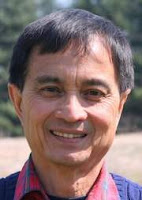
Heng Samrin, Man of the People

September 21, 2011
By Luke Hunt
The Diplomat

In the public conscious around Southeast Asia, Heng Samrin has long been an understated figure. Even at home, in Cambodia, the Khmer who led the Vietnamese-backed invasion that ousted Pol Pot and his band of murderous thugs usually lurks in the distant background.

It’s a place he’s happy to occupy.

At the end of 1979, after numerous cross-border incursions by the Khmer Rouge in places like Tay Ninh, which resulted in the deaths of thousands of Vietnamese, Hanoi retaliated – and through its invasion, unveiled to a disbelieving the world the atrocities committed by the ultra-Maoists.

The West, large parts of the non-aligned movement and the Communist east were happy to vilify the man they saw as a traitor for siding with the Vietnamese, who at that point in history could count only on the Russians. The Khmer Rouge, in contrast, had saddled-up with the Chinese and the Americans, who were brooding over their Indochinese experience and battlefield losses to Hanoi.

Tuesday, September 20, 2011

Topmost Nat. Ass. “Power Sign” Class Medal for Vietcong Nat. Ass. Nguyen Sinh Hung

The NatAss "Power Sign" medal granted to VC Nguyen Sinh Hung
16 September 2011
By Seng Phalleap
DAP-new
Translated from Khmer by Soy
KI-Media: Typographical errors are not intentional! (sic!)
Phnom Penh – On 16 September 2011, Heng Samrin, the president of the Xmer Nat. Ass. (National Assembly), pinned the topmost “Power Sign” class medal to Nguyen Sinh Hung, the president of the Viet Nat. Ass., who was actively participating in the strengthening and the pushing of the good cooperation in all fields with Cambodia in the past up to now.

During the handing of the “Power Sign” medal, Cheam Yeap, the CPP chairman of the economy, finance and banking committee of the Xmer Nat Ass, declared that the Vietcong Nat. Ass. president actively participated in the strengthening of the cooperation with Cambodia. It is due to the above fact that the permanent committee of the Xmer Nat. Ass. decided to grant him the topmost medal by the Xmer Nat. Ass., the “Power Sign” medal, to Nguyen Sinh Hung, the Vietcong president of the WC Nat. Ass.

At the same time, Nguyen Sinh Hung promised to “his work with utmost effort, and he will continue to push for good common relationships, as well as the cooperation in all fields between Cambodia and Vietnam, in particular in regards to close and strong cooperation between the Nat. Ass. from the two countries.
-----------
ប្រធានរដ្ឋសភា កម្ពុជា បំពាក់គ្រឿ​ង ​ឥស្សរិយយស ថ្នាក់សញ្ញាបារមី ខ្ពស់បំផុត ជូនដល់ ប្រធានរដ្ឋ​ស​ភា​ វៀតណាម

Friday, 16 September 2011
ដោយ៖ សេង ផល្លាភ
DAP-New

ភ្នំពេញ ៖ ប្រធានរដ្ឋសភាកម្ពុជាសម្តេច ហេង សំរិន ​នៅថ្ងៃទី១៦ ខែកញ្ញា នេះ បាន​បំពាក់​គ្រឿ​ង​ ឥស្សរិយយសសញ្ញាបារមីខ្ពស់បំផុតជូនដល់ ប្រធានរដ្ឋសភាវៀតណាមលោក ង្វៀន ស៊ីញ ហ៊ុង ​ដែលបានចូលរួម​ យ៉ាងស​កម្មក្នុង​ការ​​​​ពង្រឹង និង​ជំរុញកិច្ចសហប្រតិបត្តិការ ​យ៉ា​ង​ល្អ​ប្រសើរ លើ គ្រប់វិ​ស័យនៅព្រះ​រាជា​ណា​ច​ក្រ​​កម្ពុ​ជា កន្លង​មកនេះ។

Tuesday, December 14, 2010

SRP MPs' visit to Kampong Cham border: FLAGRANT Vietnamese encroachments everywhere

SRP MP Mao Monyvan of Kampong Cham (R) with SRP MP Son Chhay at border post 125 where three Khmer villages in Kampong Cham were lost (Phum Preah Sre, Phum Thlok Trach and Phum Anlong Chrei) to Vietnam. Phum Along Chrei is Heng Samrin's village and today Vietnam only kept his house to be part of today's Cambodia.

SRP MP Son Chhay before being stopped on Cambodian soil by Vietnamese army at the location of the new border post number 103.

Wednesday, March 10, 2010

Khmers complicit in Vietnamization

In 1962, Prince Sihanouk wrote: "Whether he is called Gia Long, Ho Chi Minh, or Ngo Dinh Diem, no (Vietnamese) will sleep soundly until he succeeds in pushing the Khmer toward annihilation, after having made them go through the stage of slavery."

Pol Pot and his French-trained Marxists handed Cambodia to Vietnam. Then Heng Samrin and company agreed to a Vietnamized Cambodia. Now the King has ratified it.

March 10, 2010
By A. Gaffar Peang-Meth
Pacific Daily News (Guam)


My apologies. It's impossible to answer all e-mails on or related to any week's topic. But be assured that I read every one and even retrieve some that my ISP sends to a spam folder. My answers will sooner or later find their way to my columns.

To some who urge that I translate my writing into Khmer, I respond that God never meant a day to exceed 24 hours. Can't someone translate them?

A few days ago, the Hun Sen military test-fired 100 miles from the disputed border with Thailand, some 200 Russian-made Katyusha rockets, a Stalin-era weapon known today as BM21. A bank of 40 launch tubes mounted on a truck can fire in 20 seconds, with a range of about 20 miles and more.

Sen's military spokesman said the test was to strengthen Cambodia's abilities for "national defense against invaders." The test firing helped keep people intimidated and Sen in power.

Did it sidetrack the issue of Vietnamization of Cambodia? It seems only retired Johns Hopkins professor Naranhkiri Tith keeps a focus on the issue on his Web site. http://cambodiana.org/default.aspx. His proposed "roadmap," is a path he describes as "necessary but not sufficient," to save the Cambodian people.

His schematic should have been translated into Khmer long ago, because, if I rephrase a common saying to relate to Tith: "I know that you believe you understand what you think Tith said, but I'm not sure you realize that what you heard is not what he meant."

A reader e-mailed me George Santayana's quote -- "Those who cannot learn from history are doomed to repeat it" -- but I am reminded of Karl Marx's, "History does nothing; it does not possess immense riches, it does not fight battles. It is men, real, living, who do all this." I like Thomas Jefferson's "I like dreams of the future better than the history of the past" and American poet and champion of individualism Ralph Waldo Emerson, who said, "Make the most of yourself for that is all there is of you."

Today, let me examine the 25-year "Treaty of Peace, Friendship, and Cooperation" that effectively integrated Cambodia into a greater Vietnam.

As people educated in the culture of Confucianism, Vietnamese leaders' actions are, generally, carefully thought-out and calculated to maximize Vietnam's interests. They know what they want, what their national interests are and they move methodically to attain them.

Unfortunately for Khmers and their country, King Sihamoni, son of King Father Sihanouk, signed the supplements to the treaty, giving Vietnamese full access to colonize and Vietnamize Cambodia. The treaty cites "the traditions of Vietnam-Kampuchea militant solidarity and fraternal friendship."

Recall the Vietnamese revolutionary activities in Cambodia, described in my earlier column: Among them, in 1949, Hanoi's Canvassing Committee created the Revolutionary Kampuchean People's Party and, in 1950, Hanoi created the Kampuchean People's Liberation Army. That was the near 30 years of "great revolutionary gains" for Cambodia?

In its preamble, the treaty cites the "closely interrelated" independence, freedom, peace and security of Vietnam and Cambodia -- what affects one affects the other -- and that both countries are "duty-bound to help each other wholeheartedly and with all their might" safeguard and consolidate the products of their "revolution." It cites both countries' "militant solidarity" and "long-term and all-round cooperation and friendship" as representing their "vital interests."

In the treaty's first three articles, the Cambodians hand Ho Chi Minh the goal he had dreamed about.

In Article 1, the two countries pledge to "do all they can" to maintain their "traditions of militant solidarity" and to develop "mutual trust and assistance in all fields." In Article 2, they pledge to "wholeheartedly support and assist each other in all domains and in all necessary forms," as well as to take "effective measures to implement this commitment whenever one of them requires."

Cambodian leader Hun Sen can "require" Vietnamese intervention and Sen will be assisted "in all domains and in all necessary forms," and vice versa.

In Article 3, both countries pledge "mutual fraternal exchanges and cooperation" and mutual assistance in the economic, cultural, educational, public health, scientific, and technological fields, as well as the training of cadres and the exchange of "specialists and experience in all fields of national construction."

Article 4 stipulates a border agreement based on the "present border line." In Article 5, both parties pledge a "long-standing tradition of militant solidarity and fraternal friendship" to which they "attach great importance." Article 6 requires that the parties "frequently exchange views" on all questions concerning both countries' relationships and on "international matters of mutual interest." Articles 7, 8, 9, speak of the right and obligation of each party to any bilateral and multilateral agreements.

The treaty opens the door for Vietnam to operate in Cambodia. For example, Vietnam always has been short of food, and Cambodia is historically rich in fertile land and fish and natural resources.

In 1962, Prince Sihanouk wrote: "Whether he is called Gia Long, Ho Chi Minh, or Ngo Dinh Diem, no (Vietnamese) will sleep soundly until he succeeds in pushing the Khmer toward annihilation, after having made them go through the stage of slavery."

Pol Pot and his French-trained Marxists handed Cambodia to Vietnam. Then Heng Samrin and company agreed to a Vietnamized Cambodia. Now the King has ratified it.

Why blame the Vietnamese for expansionism when Khmers have acquiesced to it?

A. Gaffar Peang-Meth, Ph.D., is retired from the University of Guam, where he taught political science for 13 years. Write him at peangmeth@yahoo.com.

Wednesday, November 11, 2009

Russia refuses to cancel debt

Wednesday, November 11, 2009
By Khouth Sophak Chakrya
The Phnom Penh Post


THE Russian Federation has refused to wipe out over a billion dollars of Cold War-era debt, despite National Assembly President Heng Samrin's appeals to senior Russian officials during his recent six-day visit to the country.

Cheam Yeap, a senior lawmaker for the ruling Cambodian People's Party who accompanied Heng Samrin on the trip, said Tuesday that Russian officials have not yet accepted the government's bid to cancel the debt, which totals around US$1.5 billion. The money was borrowed from the Soviet Union in the 1980s for the purchase of military equipment during Cambodia's decade-long civil war.

Cambodia requested debt cancellation from Russia in 2006 and 2008, but was unsuccessful both times.

"We made an effort to convince them by saying that China cancelled $300 million of a $5 billion debt and the IMF canceled a debt of $82 million. But they said nothing," he said.

The delegation travelled to Moscow and St Petersburg, where they met with Sergey Mironov, chairman of the Russian Federation Council's Federal Assembly and other government representatives to discuss a potential air route linking Moscow with Phnom Penh and Siem Reap.

He added that Russia's deputy prime minister and investors from the country will visit Cambodia on November 15 to investigate a possible dam project.

"They will look into investing in a hydropower project in Stung Treng that will be able to produce 980 megawatts of electricity," he said.

Wednesday, October 21, 2009

Cambodian Speaker Urges Expansion of Relations with Iran [-The axis of evil dictators?]

TEHRAN (FNA)- Cambodia's Parliament Speaker Heng Samrin on Wednesday called for the development of all-out ties between Tehran and Phnom Penh.

Speaking in a meeting with Iranian Ambassador to Cambodia Seyed Javad Qavam Shahidi, the Cambodian speaker lauded the achievements made by the Islamic Republic of Iran in political, economic and high-tech fields, and underlined the necessity for the promotion of his country's ties with Iran and maximum utilization of cooperation capacities and opportunities by the two countries.

Samrin further felicitated Iran on the successful arrangement and holding of the June 12 presidential election.

The speaker also welcomed a visit to Cambodia by Iranian Parliament Speaker Ali Larijani during his upcoming trip to the Southeast Asia.

Also during the meeting, the two sides agreed on exchange of visits by the two countries' parliament speakers as well as parliamentary friendship groups.

Qavam Shahidi on Wednesday also met with Cambodian ministers of energy, mine and industry, science, sports and youth, culture and religion, deputies of foreign and tourism ministers as well as the mayor of Phnom Penh, where the two sides explored avenues for further cooperation between Iran and Cambodia.

Wednesday, October 14, 2009

Don't forget to lift the parliamentary immnity of the former KR leaders summoned by the KRT first!

Let me have a say!

13 October 2009
Op-Ed by Ly Diep
Angkor Borei – The Khmer Voice Overseas
Translated from Khmer by Socheata
Click here to read the article in Khmer


- On 25 September 2009, the Khmer Rouge Tribunal (KRT) summoned 6 former KR leaders as witnesses to the crimes against humanity that took place under the Democratic Kampuchea (DK or KR) regime between 1975 and 1979.
- The 6 former KR leaders are: Chea Sim, Heng Samrin, Keat Chhon, Hor Namhong, Ouk Bunchhoeun and Sim Ka.
- Hun Sen, the former most senior KR commander along the eastern shore of the Mekong River in 1977 – a region which saw savage killing, reacted to the tribunal summonses on 08 October 2009, by saying: “The testimonies provided by high-ranking government officials could affect the future KRT trials against 4 former DK leaders (Khieu Sampham, Nuon Chea, Ieng Sary and Ieng Thirith).” Hun Sen said: “They (high ranking government officials) were the ones who toppled the Pol Pot regime, and they were the ones who ratified the law putting the KR leaders on trial, and if they become witnesses, the accused will be even deader.” Hun Sen added: “So where is justice? I’m thinking: Shoot! What are they doing? This is a legal problem for the tribunal, but the major problem that I understand is that the accusers are now turned into the witnesses, so wouldn’t the accused be dead?”
- In the past, this same former most senior KR commander along the eastern shore of the Mekong threatened the KRT by saying: “If the tribunal dares to summon other KR leaders more than the five who are currently being incarcerated, Cambodia could face war and between 200,000 to 300,000 people will die.”
- The threat leveled by the former most senior KR commander along the eastern shore of the Mekong not only shook up the KRT … but it also scared almost all the Cambodians in the kingdom because [through this threat], they learned that the KR whom Hun Sen boasted that they have all disappeared – just like wax under the scorching sun – in fact, they still have their forces, in particular, they are now crowding the ranks of the current National Assembly, Senate and government (!!).
- Hun Sen’s reaction is likened to a cow with a sore on its back, and it stretched out its tail when the crow flies over it. The problem about these former KR killer chiefs (i.e. the current high-ranking Cambodian government official) is that they are either those who ratified the law, or those who will cause the death of the accused (such as Khieu Samphan, Nuon Chea, Ieng Sary and Ieng Thirith), isn’t this a good thing? Indeed, in order to find the truthful proofs of the crimes, witnesses who were “former KR killers” should be brought in to accuse one another. Suppose that the 4 who are accused tell the court that: These 6 people were also ‘former killer chiefs’ like they were, what will happen then? Uh! This is where justice should lie on (!!), i.e. when the former killer chiefs or the former robbery chiefs are blaming each other (!!). Let Hun Sen asks the following question to the Cambodian victims of the “Killing Fields”: Is there anybody who does not want to see the former KR leaders being subjected to the most severe sentence?? Why would Hun Sen be afraid that the accused “die” instead (??). This is just killing us!!
- Regarding the “arrest of the former KR leaders and bringing them to trial”, the tribunal did not completely fulfill its duty yet, because it cannot just arrest and put on trial Khieu Samphan, the former No. 2 DK president, while bypassing Norodom Sihanouk, the former DK first president. Furthermore, how could it detain and put on trial Ieng Thirith, the former DK minister of national Education while bypassing Keat Chhon, the former deputy prime minister, Tiounn Mom, the former minister of Science, and Chhon Hay, the former minister of Post and Telecommunication, after all, all of these 4 KR cadres occupied similar positions under the DK regime. Similarly, the tribunal cannot just detain Duch, the former S-21 jail chief, and put him on trial while bypassing Hor Namhong, the former Boeung Trabek (B-32) jail chief. More importantly, if Hun Sen himself declared that he was the former most senior KR commander along the eastern shore of the Mekong … why the tribunal does not hurry up to detain him and bring him to trial??? Uh! Is there any justice at all?? What are they trying to do??
- What Sam Rainsy said about the fact that the rank of the current government is packed with former KR leaders, he was right. The summonses issued on 25 September 2009 by the KRT for the 6 KR leaders are proof that they are truly KR leaders (!!)
- Recently also, one of Sok An’s dogs barked: They should not summon these 6 former KR leaders “because it was not necessary” (sic). We believe that this dog must bark about this … “because it is necessary.”
- If the KRT indeed summons these 6 former KR leaders, the National Assembly and the Senate should not forget to hold a session to lift “their parliamentary immunity” first (!!)

Friday, October 09, 2009

Cambodian Gov't officials asked to testify at war crimes trial

October 9, 2009
ABC Radio Australia

In Cambodia, the United Nations-backed Khmer Rouge war crimes tribunal has summoned six senior government ministers and legislative officials to appear as witnesses.

The French investigating judge wants the officials to testify in the second case, which is expected to question former Khmer Rouge idealogue Nuon Chea. But the Cambodian government says any testimony will be given on a voluntary basis.


Presenter: Sen Lam
Speakers: Michelle Staggs Kelsall, Deputy Director, Asian International Justice Initiative


KELSALL: These are really current senior ministers and legislative officials from the current Cambodian People's Party and the ruling government and we have the president of the Cambodian People's Party, Chea Sim, also the president of the National Assembly, Heng Samrin, Minister of Foreign Affairs and Finance and then two PPP senators, Ouk Bunchhoeun and Sim Ka.

LAM: Do we know why these ministers have been summoned? Has it anything to do with any kind of connection with the former Khmer Rouge?

KELSALL: Eh, well certainly the witnesses who've been testifying in the tribunal to date and certainly the information on public record would suggest that these ministers are being summoned to their role in the Khmer Rouge during the period of 1975 to '79. They are obviously being asked to testify to evidence that they may know with regard to what happened during that period due to their role at that time.

LAM: Has there been any government reaction to the call up of these government ministers?

KELSALL: Yes certainly. The spokesperson for the government, Khieu Kanharith has come out publicly to say that any participation of the ministers should be considered as voluntary and the government's position would be that these summonses should be seen as voluntary contribution to the tribunal's efforts. However, the courts internal rules tend to suggest that anyone issued a summons should comply with it and in actual fact it is mandatory.

LAM: And Michelle, the Khmer Rouge tribunal, of course, is a joint tribunal and the panel is made up of both international and Cambodian judges. Did the Cambodian, the local judges agree to this request?

KELSALL: The summons has been served has only been signed by the court's international co-investigation judge, Marcel Lemonde which tends to suggest that this dispute from the Cambodian side with regard to these summonses going forward. The court has come out publicly to say that they are unaware of any particular dispute, however, the lack of a signature on the summonses tends to suggest that... this is going forward from the international side alone.

LAM: And returning to the people who have been called to testify. There have been questions about Finance Minister, Hor Namhong's role during the Khmer Rouge. Is it likely that he will be questioned directly about his role during the Khmer Rouge rule between 1975 and 1979, or will the testimony largely focus on the defendant?

KELSALL: I think there will be some discussion of his own role just in relation, however, as to how this impacts on the accused person standing trial. Of course, it does have measures in place, witnesses who testify are able to avoid self-incrimination. They do have the right not to answer certain questions if they feel it will incriminate themselves. So in that respect, witnesses are protected from any possibility of this being the case. Obviously the investigating judges are ultimately concerned with the accused on trial and I would have thought the questions would focus on their role and what was occurring at the time period.

Thursday, October 08, 2009

Khmer Rouge tribunal summons gov't party officials

2009-10-07
By SOPHENG CHEANG
Associated Press


The tribunal trying former leaders of Cambodia's Khmer Rouge announced Wednesday that it has summoned six leading members of Prime Minister Hun Sen's ruling party to give testimony.

The action is likely to irk Hun Sen, who has repeatedly expressed his sharp dissatisfaction with any efforts by the U.N.-assisted tribunal to expand its scope and possibly include his political allies as suspects in grave human rights abuses committed when the communist Khmer Rouge held power from 1975-79.

The tribunal is seeking justice for the estimated 1.7 million people who died in Cambodia from execution, overwork, disease and malnutrition as a result of the communist Khmer Rouge's radical policies.

The tribunal released copies of letters summoning the six to testify to the investigating judges of the court. They are top members of Hun Sen's Cambodian People's party: Foreign Minister Hor Namhong, Finance Minister Keat Chhon, National Assembly president Heng Samrin, Senate president Chea Sim and two other senators, Ouk Bunchhoeun and Sim Ka.

All are also former members of the Khmer Rouge, or exercised some authority when the group was in power.

The documents were released late in the day, and those named could not immediately be reached for comment.

The letters did not say specifically what information was sought, but said it was in connection with the cases of Nuon Chea, the group's ideologist; Khieu Samphan, its former head of state; Ieng Sary, its foreign minister; and "others." The three, along with Ieng Sary's wife, Ieng Thirith, who was minister for social affairs, are expected to be tried next year.

The tribunal is currently trying its first defendant, Kaing Guek Eav _ also known as Duch _ who commanded S-21 prison in Phnom Penh, where up to 16,000 people were tortured and then taken away to be killed. He is charged with crimes against humanity, war crimes, murder and torture.

Testimony in the his trial concluded last month, and closing arguments will be held late next month.

Critics accuse Hun Sen of trying to limit the tribunal's scope to prevent his political allies from being indicted. Hun Sen himself once served as a Khmer Rouge officer and many of his main allies are also former members of the group.

Hun Sen has claimed that expanding the list of defendants could lead to civil war, a claim doubted by his critics. The Khmer Rouge took control after a bitter 1970-75 civil war, and after being ousted from power in 1979, fought an insurgency from the jungles until 1999, when they ceased to exist as an organized force.

Last month, a tribunal prosecutor formally recommended that five more suspects be investigated for crimes against humanity and other offenses.

Khmer Rouge court calls government witnesses (Update)

Cambodia's senate president Chea Sim (R) and National Assembly president Heng Samrin

Wednesday, October 07, 2009
AFP

PHNOM PENH — Cambodia's UN-backed Khmer Rouge war crimes court has summoned six top government and legislative officials as witnesses against leaders of the late 1970s regime, said documents released Wednesday.

In a move opposed by the Cambodian government, letters signed by the French investigating judge called on the officials to testify in the second case against former Khmer Rouge leaders for war crimes and crimes against humanity.

Current senate president Chea Sim, national assembly president Heng Samrin, foreign minister Hor Namhong, finance minister Keat Chhon and senators Sim Ka and Ouk Bunchhoeun were each "asked for a hearing as a witness," said the letters.

They will have to give testimony to an investigating judge of the tribunal, which was created in 2006 to try leading members of the regime.

"Except for individuals who volunteer to go, the government's position is no to this even if they are called as witnesses," government spokesman Khieu Kanharith told AFP Wednesday.

He said that foreign officials involved in the tribunal "can pack their clothes and return home" if they are not satisfied.

However Heather Ryan, court monitor for the Open Society Justice Initiative, said the move to release the court documents was an "important step" which might make members of government feel obliged to cooperate with the tribunal.

"The fact that the letters are public hopefully increases the chances they will comply with the summonses," Ryan said.

Critics of Cambodia's administration have previously alleged that it has interfered in the tribunal to protect former regime members now in government.

The court's second case is expected to try detained former Khmer Rouge ideologue Nuon Chea, head of state Khieu Samphan, foreign minister Ieng Sary and his wife, minister of social affairs Ieng Thirith.

As the court has sought to investigate other suspects, Prime Minister Hun Sen has warned further prosecutions could plunge Cambodia back into civil war. But critics say there is no risk of more fighting after over a decade of peace.

Final arguments in the court's first trial of prison chief Kaing Guek Eav, known by the alias Duch, are scheduled for late next month.

He has used the proceedings to accept responsibility and apologise for overseeing the execution of more than 15,000 people at the main Khmer Rouge jail, known as Tuol Sleng.

Led by Pol Pot, who died in 1998, the Khmer Rouge emptied Cambodia's cities in a bid to forge a communist utopia, resulting in the deaths of up to two million people from starvation, overwork and torture.

Wednesday, October 07, 2009

6 CPP comrades called in as witnesses

Court calls top govt witnesses

Oct 7, 2009
AFP

PHNOM PENH - CAMBODIAN'S UN-backed Khmer Rouge war crimes court has summoned six top government and legislative officials as witnesses against leaders of the late 1970s regime, said documents released on Wednesday.

In a move opposed by the Cambodian government, letters signed by the French investigating judge called on the officials to testify in the second case against former Khmer Rouge leaders for war crimes and crimes against humanity.

Current senate president Chea Sim, national assembly president Heng Samrin, foreign minister Hor Namhong, finance minister Keat Chhon and senators Sim Ka and Ouk Bunchhoeun were each 'asked for a hearing as a witness,' said the letters.

They will have to give testimony to an investigating judge of the tribunal, which was created in 2006 to try leading members of the regime. 'Except for individuals who volunteer to go, the government's position is no to this even if they are called as witnesses,' government spokesman Khieu Kanharith told AFP on Wednesday.

He said that foreign officials involved in the tribunal 'can pack their clothes and return home' if they are not satisfied.

Critics of Cambodia's administration have previously alleged that it has interfered in the tribunal to protect former regime members now in government. The court's second case is expected to try detained former Khmer Rouge ideologue Nuon Chea, head of state Khieu Samphan, foreign minister Ieng Sary and his wife, minister of social affairs Ieng Thirith.

Monday, April 13, 2009

Cuba still has a score to settle with the KR which fought its PRK-client state

History, the Implacable Judge

BY ARNALDO MUSA
Periodico26 (Cuba)


The name Pol Pot is related to genocide and massacres. The youngest generations perhaps haven’t heard of the systematic murder of between 1.7 and 4 million Cambodians (half of the population) between 1975 until 1979.

The time of permanent violence began in 1970 with the US military intervention and support for corrupt governments and extended until 1989. During this time education for children and teenagers was suspended, public health was virtually non-existent and Cambodia took over the top of the list of the poorest countries in the Far East.

Nowadays, with the beginning of the trial of the most notorious killers in the Cambodian capital of Phnom Penh, the matter returns to the forefront 30 years after the fall of Pol Pot and 20 since the defeat of the opposition bands that tried to retake or seize power without popular consent.

The Khmer Rouge Genocide Tribunal began its sessions with the trial of Kaing Guek Eau, director of the Tuol Sleng jail in the capital (today the Genocide Museum), where 16,000 innocent people were tortured to death.

This year the trials will also begin against Khieu Samphan, ex President of the State Presidium of Democratic Kampuchea; Leng Sary, ex-foreign minister; Leng Thirit, ex-minister of Social Affairs, and the late Nuon Chia, second in command under Pol Pot. Some tried to elude responsibility blaming the crimes on the leader, giving him full responsibility for the excesses of the regime; but they couldn’t free themselves from history, the most implacable judge.

SOMETHING TO NEVER FORGET

Pol Pot and his circle of power were not revolutionaries. They imposed a regime based on isolation and the eradication of urban populations, conceiving only in a peasant country.

They went to such an extent that since its victory in 1975 the regime prohibited all types of modernity in the country. The cities were emptied by force and the Cambodians obliged to move to work camps. The population of Phom Penh fell from two million to 25,000 in just three days.

Money was banned and the central bank disappeared. Motor vehicles were also eliminated and religion was prohibited. Communications with the outside world were cut off, postal service ceased and schools and hospitals were closed.

People that wore glasses and those that spoke a foreign language or had a higher education, were interned for "reeducation." The majority were killed by a regime that considered neighboring Vietnam as its main enemy, attacking it repeatedly and killing many of its citizens.

NOT JUST THE POL POT REGIME

Analysts, including US linguist and philosopher Noam Chomsky, believe that not only should the living Khmer Rouge leaders be tried by the International Court, but also the US secretary of state at the time, Henry Kissinger, and other authors of the US bombardment of Cambodia, —which killed more than 600,000 civilians—, as well as their support of the criminals after Vietnam and Cambodian patriots managed to expel them from power in 1979.

For years, the United States and Great Britain supported Pol Pot in exile in Thailand, managing to keep alive a counterrevolution and mercenary groups, principally in the border areas. During this period, Washington and London supported the representation of the genocidal Cambodians at the United Nations.

Later they unsuccessfully tried to manipulate the efforts to form the tribunal that would judge the criminals. In that context, Vietnam demanded severe punishment for those who led the genocide and today’s Cambodian Prime Minister Hun Sen said: "Nobody should escape justice. The Khmer Rouge must be brought before the Tribunal. But those that supported them should also be there."

Sunday, April 12, 2009

Hun Sen and Heng Samrin's alleged involvement in the killing of critically ill patients

Source: Cambodian Genocide Program, Yale University
Credit: S. My
  • Headline headline: Y00376: Hun Sen
  • Record ID Y00376
  • Name Hun Sen (source: DC, BK, p. 158)
  • Pre-1979 Activities fled to Vietnam, 197707?? (source: DC, BK, p. 171)
  • Pre-1979 Activities In 1966, studied at Wat Tuk La'ak in Phnom Penh; worked with an older cousin, Niv Kien, 38, a teacher and a "doctor" who was a member of the party [WPK?]; with other students at the wat, Hun Sen "sold bread with letters inside." Niv Kien, who was "active in Prey Nup and elsewhere," was arrested in 1967 and disappeared. Hun Sen fled to Kratie and became a water seller; in 1969 he made contact with Mey Pho [in Memot?] and became a messenger for him. In 1969 he claims to have "organized a youth movement" against land seizures in Memot. "Then truckloads of police came" and Hun Sen fled back to Kratie (source: BKI 21.10.80, pp. 17-18)
  • Pre-1979 Activities "joined the movement on 14 April 1970" as platoon commander of 30 troops in an area commanded by Nat (source: BKI 23.9..91)
  • Pre-1979 Activities after the U.S. April 1970 invasion, only 16 troops remained (source: BKI 23.9.91)
  • Pre-1979 Activities in 1971, became a platoon commander again (source: BKI 23.9.91)
  • Pre-1979 Activities studied special commando tactics for 10 months in a training school in Damber run by Khmer and Vietnamese instructors for 78 students, including 6 university students; followed by 2 months' practical training (source: BKI 23.9.91)
  • Pre-1979 Activities alleged to have participated in Khmer Rouge attack on Kampong Cham city, Northern Zone, 1973 (source: Saren Thach, in Washington Post, 30.10.89, and in International Herald Tribune, 2.11.89 (see also 6.11.89, response by Elizabeth Becker))
  • Pre-1979 Activities participated in battle for Phnom Penh, April 1975, and was wounded on April 16, losing an eye and recuperating in hospital until November 1975 (source: BK, PPR, p. 266)
  • Alleged Persecutor of: hospital patients, Kampong Cham city, Region 41, Northern Zone, 197309??, 1.56, killed, "when overrunning two hospitals, Heng Samrin's and Hun Sen's troops threw hand grenades and later slit the throats of critically ill patients" (source: Saren Thach, Washington Post, 30.10.89, citing Washington Post, 10.9.73, which reports such incidents without specifying the units involved, their Zone of origin, or the names of their commanders: "several soldiers and residents told the photographer that some of the rebels threw hand grenades and plastic explosives into still-occupied homes and cut the throats of the critically wounded at the city hospital." See also Elizabeth Becker's response to Saren Thach, International Herald Tribune, 6.11.89)
  • Associates Chum Horl (source: BKI 23.9.91)
  • Associates Kim Teng, nephew of So Phim (military trainer) (source: DC, BK, p. 158)
  • Associates Chum Sei, deputy political comissar (source: DC, BK, p. 171)
  • Date of Birth 1952???? (source: BK, PPR, p. 370)
  • Date of Birth 1951???? (source: BKI 21.10.80, p. 11)
  • DK Organisation Type 1975-1979 CPK military (source: DC, BK, p. 158)
  • DK Organisation Type 1975-1979 military (source: BK, PPR, p. 266)
  • DK Organisation Type 1975-1979 military (source: BKI 21.10.80, p. 17)
  • DK Zone, 1975-1979 Zone Name or Compass Point: E, Region No.: 21 (source: DC, BK, p. 158)
  • DK Zone, 1975-1979 Zone Name or Compass Point: E, Region No.: 21 (source: BK, PPR, p. 266)
  • DK Zone, 1975-1979 Zone Name or Compass Point: E, Region No.: 21, Province Name: Memot (source: BKI 21.10.80, p. 17)
  • Gender Male (source: BK, PPR, p. 370)
  • Non- or Pre-DK Education high school (source: DC, BK, p. 158)
  • Non- or Pre-DK Education Wat Tuk La'ak, Phnom Penh (source: BKI 21.10.80, p. 17)
  • Non- or Pre-DK Occupation student (source: BKI 21.10.80, p. 17)
  • Non- or Pre-DK Occupation water-seller (source: BKI 21.10.80, p. 17)
  • Non- or Pre-DK Occupation messenger (source: BKI 21.10.80, p. 17)
  • Organisational Unit, 1975-1979 Special Regiment, Region 21, Eastern Zone (Memot border) (source: BK-GD 15)
  • Organisational Unit, 1975-1979 Special Regiment, Region 21, to 197707?? (source: BK, PPR, p. 370)
  • Organisational Unit, 1975-1979 55th Company, Special Forces Regiment, Region 21, 1975???? (source: BK, PPR, p. 266)
  • Organisational Unit, 1975-1979 Regiment, Region 21 (source: DC, BK, p. 158)
  • Political Party/Organisation CPK, joined in "early 1971" (source: BKI 21.10.80, p. 18)
  • Rank or Position 1975-1979 Deputy Commander, Special Regiment, Region 21, 1977???? (source: BK, PPR, p. 370)
  • Rank or Position 1975-1979 Officer, 55th Company, Special Forces Regiment, Region 21, 1975???? (source: BK, PPR, p. 266)
  • Rank or Position 1975-1979 Regimental Commander, responsible for border between Region 21 and Vietnam, 197703?? (source: DC, BK, p. 171)
  • Rank or Position 1975-1979 chief of staff, Special Regiment (Memot border), Region 21, Eastern Zone, from September 1975 (source: BKI 23.9.91)
  • Rank or Position 1975-1979 a regimental "commander" (Khmer term unavailable), 1975-1977 (source: BKI 21.10.80)
  • Rank or Position 1975-1979 Regimental Chief of Staff (source: BK, PPR, p. 266)
  • Rank or Position 1975-1979 chief of staff and deputy commander, Special Regiment (Memot border), Region 21, Eastern Zone, from early 1977 (source: BKI 23.9.91)
  • Rank or Position pre-1975 platoon commander, Memot (1970-1971) (source: BKI 21.10.80, p. 17)
  • Rank or Position pre-1975 company political chief, 1971-1973 (source: BKI 21.10.80, p. 17)
  • Rank or Position pre-1975 55th Battalion political chief (protean niyobay), 1974-1975 (source: BKI 21.10.80, p. 17)
  • Resistance ordered to attack Vietnamese territory at Or Lu in Loc Ninh Province; says that he, Sok Sat, and Chum Sei refused to do so, 197703?? (source: DC, BK, p. 171)
  • Resistance refused to attack the Vietnamese village of Or Lu after his superiors were purged, 197704?? (source: BK, PPR, p. 370)
  • Resistance defected and fled to Vietnamese border, July 1977 (source: BK, PPR, p. 371)
  • Resistance attempted contact with So Phim, driving in Vietnamese tank to Kandol Chrum Township, Eastern Zone, 19771222 (source: DC, BK, p. 172)
  • Resistance ordered to report for duty to engage in repression of the Cham revolt in September 1975, but says he declined to do so (source: BK, PPR, p. 266)
  • Sources Ben Kiernan Interviews (no. + transcript translation page no.) (BKI) 23.9.91
  • Sources Washington Post, 30.10.89
  • Sources International Herald Tribune, 2.11.89 and 6.11.89
  • Sources WSJ 31.3.92
  • Sources Revolution and its aftermath in Kampuchea : eight essays / edited by David P. Chandler and Ben Kiernan. New Haven : Yale Council on Southeast Asia Studies, 1983. (DC, BK), pp. 158-198
  • Sources The Pol Pot Regime : race, power, and genocide in Cambodia under the Khmer Rouge, 1975-79 / Ben Kiernan. New Haven : Yale University Press, 1996. (BK, PPR), pp. 266, 370-1, 455
  • Sources Ben Kiernan Interviews (no. + transcript translation page no.) (BKI) 21.10.80, pp. 11-19
  • Superiors Kun Deth, chief of staff, Region 21 armed forces (source: BKI 23.9.91)
  • Superiors Sok Sat, political commissar, Special Regiment (Memot border), Region 21 (source: BKI 23.9.91)
  • Superiors Chum Horl, commander, Special Regiment (Memot border), Region 21 (source: BKI 23.9.91)
  • Superiors Chum Sei, deputy political commissar (source: BKI 23.9.91)

Monday, March 16, 2009

Heng Samrin's advisor accused of threatening American diplomats with weapon


Deum Ampil newspaper
13th March, 2009
Reported in English by Khmerization

An opposition MP has accused advisor to National Assembly president Heng Samrin (pictured) of threatening American diplomats with a weapon.

In a letter dated 11th March sent to Mr. Heng Samrin, Mr. Son Chhay, an MP for the opposition Sam Rainsy Party (SRP), has requested him to launch an investigation into an allegation that one of his more than 100 advisors has used a gun to threaten U.S diplomatic staff in February 2009, while they were jogging along the Phnom Penh roads.

The letter alleged that, on 14th February 2009, while the diplomats were jogging near the Ministry of Foreign Affairs, an armed man had threatened them with a gun. The man was later identified as Ob Sophy, an administrative officer in the Ministry of Foreign Affairs who is also an advisor to National Assembly president Heng Samrin.

Mr. Son Chhay cannot confirm whether the allegation was true. However, he appeals to the authority to launch an investigation into this allegation.

Mr. Touch Naroth, Phnom Penh Police Commissioner, told Deum Ampil News on 12th March that the police has launched an investigation and identified the alleged culprit as Ob Sophy. He said: "We have launched an invetigation and found out that he (Mr. Ob Sophy) is head of one of the departments of the Ministry of Foreign Affairs, but we have turned this case to the Ministry of Foreign Affairs to resolve it with the American embassy."

The police Commissioner added: "We have questioned him regarding the allegation and he said that he dropped the gun ( and tried to pick it up). But when we got a complaint from the U.S embassy, we turned the case to the Ministry of Foreign Affairs to resolve it with the American embassy."

Mr. Koy Kuong, spokesman for the Ministry of Foreign Affairs, said that he has not received any information regarding the case, but said that he will launch an investigation into the allegation.

Monday, March 09, 2009

Immunity for SRP head


Monday, 09 March 2009
Written by NETH PHEAKTRA The Phnom Penh Post

OPPOSITION leader Sam Rainsy will have his parliamentary immunity restored when the National Assembly's Permanent Committee meets for an extraordinary session Thursday, officials said Sunday.

Senior CPP lawmaker Cheam Yeap said the committee would hold a preliminary meeting Tuesday to prepare the agenda for an extraordinary session, at which the SRP president's immunity was expected to be addressed.

"Sam Rainsy's immunity is one of seven agenda items for the Permanent Committee meeting," he said.

"I expect that the Assembly will vote to restore Sam Rainsy's immunity on March 12."

Sam Rainsy has been without his constitutional immunity since February 26, when the committee voted to suspend it to force him to pay a 10 million riel (US $2,500) fine to the National Election Committee, imposed for comments made during last year's national election campaign.

SRP lawmaker and spokesman Yim Sovann said that during recent International Women's Day celebrations, National Assembly President Heng Samrin confirmed the leader's immunity would be restored in the next few days.

"What I have heard so far is that the Ministry of Justice prepared a letter to be sent to the Permanent Committee [asking them] to restore his immunity," he said.

Monday, March 02, 2009

Sam Rainsy asks Heng Samrin to cancel the suspension of his parliamentary immunity

01 March 2009
By Khim Sarang
Radio Free Asia

Translated from Khmer by Socheata

Click here to read the article in Khmer

It has been 3 days that opposition leader Sam Rainsy lost his parliamentary immunity. Recently, Sam Rainsy sent a letter to Heng Samrin, president of the National Assembly (NA), asking him to cancel the suspension of his parliamentary immunity.

Up until Sunday morning, the NA has maintained the decision to lift Sam Rainsy’s immunity even though the National Election Committee (NEC) had already withdrawn its lawsuit against the opposition leader in this case.

Sam Rainsy considers the lifting of his parliamentary immunity a threat to shut down the opposition voice: “What they did was illegal, they did it in haste to threaten the opposition spirit.”

Sam Rainsy gave this reaction after he sent a letter to Heng Samrin to request for the cancellation of the decision to lift his parliamentary immunity.

On 26 Feb, based on the request made by the NA permanent committee, Heng Samrin agreed to lift Sam Rainsy’s parliamentary immunity.

The request to lift Sam Rainsy’s immunity was aimed at bringing him to court to face a NEC lawsuit in regards to the NEC fine imposed on Sam Rainsy for his disparaging remarks on Hun Sen during the 2008 election campaign.

A few hours following the decision to lift Sam Rainsy’s immunity, the SRP had decided to pay off the 10 million riels fine as imposed by the NEC. After this pay off, the NEC decided to drop its lawsuit against Sam Rainsy, all that remains now is for the NA to cancel the lifting of his parliamentary immunity.

On Satruday, Sam Rainsy said that he wrote a letter to Hen Samrin regarding this issue. Sam Rainsy said: “I saw a letter issued by Mr. Im Suosdey, NEC president. Mr. Im Suosdey wrote a letter to the prosecutor of the Phnom Penh municipal court to withdraw the NEC lawsuit against me. Therefore, the NEC considers this case closed, and it asked the court to end this lawsuit. So, I also wrote to Samdach Heng Samrin telling him that, since the NEC withdrew its lawsuit, the NA also must urgently give me back my immunity.”

On Saturday, and again on Sunday, Heng Samrin could not be reached, and neither are the officials involved in the decision to lift Sam Rainsy’s immunity.

Sunday, March 01, 2009

Latest Developments After the Lifting of Sam Rainsy's Immunity

February 28, 2009

LATEST DEVELOPMENTS AFTER THE LIFTING OF SAM RAINSY'S IMMUNITY

- Following the payment by SRP President Sam Rainsy of the controversial 10-million riels election fine, National Election Committee (NEC) President Im Suosdey wrote on February 27 to the Phnom Penh Court Prosecutor stating that the NEC withdraws its legal complaint against Sam Rainsy.
See letter in Khmer at http://tinyurl.com/da79ps

- Following the above-mentioned letter from Im Suosdey, Sam Rainsy wrote the same day to National Assembly President Heng Samrin asking for the official reestablishment of his parliamentary immunity that was illegally lifted on February 26.
See letter in Khmer at http://tinyurl.com/djn5yv

SRP Cabinet

Thursday, June 19, 2008

National Assembly cannot be convened immediately to lift Sam Rainsy’s immunity: Heng Samrin

18 June 2008
By Sok Serey
Radio Free Asia

Translated from Khmer by Socheata
Click here to read the original article in Khmer

A high-ranking official claimed that the National Assembly (NA) cannot convene a plenary session yet to lift opposition leader Sam Rainsy’s immunity during a time when the NA is in recess, and the 27 July general election is fast approaching.

Heng Samrin, NA president, gave a short interview to RFA over the phone this Wednesday, saying that there are several reasons that make the NA unable to convene a plenary session immediately.

Heng Samrin said: “There cannot be an immediate session, because the NA is currently in recess, there is no session, the election is under way. Only when there is a request for a plenary session from the prime minister or the king to lift the immunity for this to happen. If there is no request from the prime minister or the king, there cannot be any discussion because we are now in recess, and we are holding the election campaign. This issue must be decided later.”

He indicated that the NA did not receive the letter from the Phnom Penh municipal court requesting the lifting of Sam Rainsy’s immunity yet.

Opposition leader Sam Rainsy said in reaction to the request for lifting his immunity by the Phnom Penh municipal court that: “What they want to do with the lifting of my immunity is to arrest me. This shows that the CPP is in disarray, they are afraid of the SRP, they know that they will lose to the SRP in the upcoming election.”

On Monday, reports indicated that the Phnom Penh municipal court asked the NA to lift Sam Rainsy’s immunity to allow the court to charge him or arrest him stemming from a lawsuit by Hor Namhong, the minister of Foreign Affairs, regarding defamation and disinformation.

Dam Sith, the editor-in-chief of the Moneaksekar Khmer newspaper and also a SRP candidate for the city of Phnom Penh, was released on bail on 15 June, after Hun Sen vouched for him personally.

Dam Sith was arrested by the Phnom Penh military police, sent to the court, and charged with defamation and disinformation after his newspaper published an article in April quoting Sam Rainsy’s speech saying at the Choeung Ek Memorial, but not naming anyone in particular, that the minister of Foreign Affairs was the former Boeng Trabek jail chief under the KR regime.

Hor Namhong, the minister of Foreaign Affairs, rejected this accusation, and he sued both Dam Sith and Sam Rainsy.