 |
| Chan Soveth (Photo: Ir Channa, RFI) |
URGENT APPEAL - THE OBSERVATORY
KHM 004 / 0812 / OBS 075
Judicial harassment
Cambodia
August 16, 2012
The Observatory for the Protection of Human Rights Defenders, a joint programme of the International Federation for Human Rights (FIDH) and the World Organisation Against Torture (OMCT), requests your urgent intervention in the following situation in Cambodia.
Description of the situation:
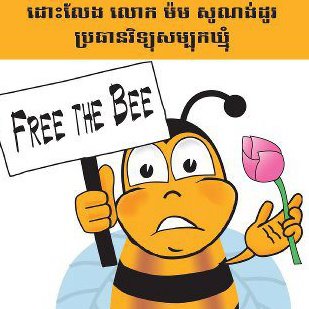
The Observatory has been informed by reliable sources of a citation to appear in court issued against Mr. Chan Soveth, Senior Investigator and Deputy Head of the Monitoring Section of the Cambodian Human Rights and Development Association (ADHOC).
According to the information received, on August 9, 2012, the Phnom Penh Municipal Court issued a citation summoning Mr. Soveth to appear before an investigating judge on August 24, 2012.
Mr. Soveth was charged with “providing assistance to the perpetrator” of a “crime” under Article 544 of the Cambodian Criminal Code, and faces an imprisonment sentence of one to three years and a fine of two million to six million Riels.
Exact details behind this charge have not yet been disclosed by the government, but they appear to be connected to a long-standing land dispute in Kratie province. On May 16, 2012, the government sent in hundreds of armed security personnel, supported by helicopters, to evict villagers who were living in an area in Kratie province marked for development by a Russian company. During the eviction, Ms. Heng Chantha, a 14-year-old girl, was shot dead. Government officials later justified the operation by claiming the villagers, some of whom are members of the Independent Democrats Association, were part of a secession movement. ADHOC released a statement on May 17 and condemned the killing of the young girl[1]. It is believed that the charges against Mr. Soveth are linked to his sheltering of a land activist involved in this issue. The court citation was signed on August 9, 2012, just eight days after Prime Minister Hun Sen made accusatory references in a nationally televised speech to an unnamed “human rights worker” for his role in providing assistance to villagers in relation to this land dispute.


+01.jpg)


.jpg)




.png)








