


Showing posts with label Freedom of expression. Show all posts
Showing posts with label Freedom of expression. Show all posts
Sunday, September 02, 2012


Thursday, August 16, 2012
A disconcerting silence in Cambodia
Aug 16, 2012
By Ryan Paine
Asia Times Online
SPEAKING FREELY
By Ryan Paine
Asia Times Online
SPEAKING FREELY
If only freedom of assembly were allowed and freedom of thought were encouraged by the country's elders - surely then we would see a hefty part of the population coming round to the conclusion that institutionalized violence and oppression advancing private commercial interests is really not cool.
When I arrived in Phnom Penh on the first night of Khmer New Year, I expected I would find more than a few small fireworks and a Ferris wheel. Assuming it was temporary, set up for the festivities, I had to get on it before it disappeared or fell down. In the end I didn't rush because I found out it's permanent. When I did finally have a ride, it sucked: too slow, only one revolution, and covered in garish advertising. I did win a toy that night though.
I also expected to find more media and publishing when I arrived here to work with a literary association, but it turns out the scene here is much like the streets were that night: quiet, and still quite dangerous. There was no Ferris wheel though - no place to go for a concise overview of modern Cambodian literature.
Of course I knew I was coming to work in a media industry where freedom of expression is not taken for granted the way it is at home in Australia. However, I hadn't expected the gaping holes in publishing infrastructure created as a result of this freedom being so limited. It's a self-perpetuating situation that leaves a disconcerting silence in the capital, but also a huge opportunity for the development of literary literacy and the improvement of the human condition this promotes.
Thursday, July 19, 2012
Internet for Asia: Space for Free Expression & Information
Dear Media Friends,
Please go to:
Agenda: http://2012.rigf.asia/session-c4-internet-for-asia-space-for-free-expression-information/
Video Streaming: http://www.ustream.tv/channel/aprigf2012room17606
Text Streaming: http://www.streamtext.net/text.aspx?event=CFI-JAIPA-17606
More info, please go to http://2012.rigf.asia/remote-participation
Sarom EM
Media Assistant
Community Legal Education Center (CLEC)
Tel: (+855) 66 777 042
E-mail: sarom@clec.org.kh
Website: www.clec.org.kh
I would like to insist you to watch live video streaming about Internet for Asia: Space for FoX and Information. You can tweet to ask questions by using hashtag #APrIGF or watch live video streaming and text streaming in the links below.
Please go to:
Agenda: http://2012.rigf.asia/session-c4-internet-for-asia-space-for-free-expression-information/
Video Streaming: http://www.ustream.tv/channel/aprigf2012room17606
Text Streaming: http://www.streamtext.net/text.aspx?event=CFI-JAIPA-17606
More info, please go to http://2012.rigf.asia/remote-participation
Sarom EM
Media Assistant
Community Legal Education Center (CLEC)
Tel: (+855) 66 777 042
E-mail: sarom@clec.org.kh
Website: www.clec.org.kh
Tuesday, July 10, 2012
Clinton raps Vietnam on rights, sees limits to ties
 |
| U.S. Secretary of State Hillary Clinton delivers a speech during a meeting with the business community in Hanoi July 10, 2012. REUTERS/Luong Thai Linh/Pool |
 |
| U.S. Secretary of State Hillary Clinton delivers a speech during a meeting with the business community in Hanoi July 10, 2012. REUTERS/Luong Thai Linh/Pool |
HANOI (Reuters) - Secretary of State Hillary Clinton criticized Vietnam's human rights record on Tuesday, especially its restriction of free speech online, and her aides said there were limits to better ties until it improved.
During a brief visit to Vietnam, a one-party state that is dominated by the Communist Party, Clinton also rejected the idea that economic growth should be given priority over democratic freedoms, arguing that the two "go hand in hand".
U.S. officials who spoke on condition of anonymity said the United States, which provides its former adversary nonlethal military equipment, would not consider selling lethal equipment unless the country's human rights record improved considerably.
The sea change in relations between the two countries since the Vietnam War's is reflected in their economic ties - with trade reaching $22 billion last year, officials said.
Clinton urges free markets with democracy in Asia
 |
| U.S. Secretary of State Hillary Rodham Clinton delivers opening remarks to the Community of Democracies Governing Council at the Ministry of Foreign Affairs Monday, July 9, 2012 in Ulan Bator, Mongolia. (AP Photo/Brendan Smialowski, Pool) |
07/09/2012
By BRADLEY KLAPPER | Associated Press
ULAN BATOR, Mongolia (AP) — Secretary of State Hillary Rodham Clinton took aim Monday at China's model of economic growth without democracy, arguing that it undermines long-term prospects and urging other Asian countries to expand markets and political freedom at the same time.
Without mentioning Beijing by name, Clinton laid out a week of diplomatic efforts she'll make across Asia to press governments into improving the rule of law and free expression. Speaking at a woman's event in Mongolia, China's northern neighbor, she said limiting freedom "kills innovation and discourages entrepreneurship," and ultimately undermines economic expansion.
"We need to make the 21st century a time in which people across Asia don't only become more wealthy," she said. "They must also become more free."
The message reflects the battle of values between Washington and Beijing as they jostle for strategic and economic advantages across the continent. President Barack Obama has tried to pivot U.S. power to the region, in part to reverse a slide toward China in recent years as its economy boomed and America's struggled.
Thursday, May 24, 2012
ជិវិត នៃ ជិវិត - Life of my life

Life of my life
By Kong Bunchhoeun
Translated from Khmer by Soy
In my whole life, I don’t want anything more than freedom to write
If I write as I am ordered to, it is tantamount to sewing shut my own mouth.
The value of my writing lies on the truth. I fear no jail.
If I see fire, but claim it to be smoke, then I betray not only my readers, but myself as well.
I’d rather be poor. I will not depend on money. I will not sell my writing for villas and cars.
I will not bend down and allow my head to be used as a hearth. I’d rather die without ever see Angkor Wat again.
Should I insist on living in my country with my mouth shut and my eyes closed, should I be a willing to live as talking parrot,
or should I become a drumstick for their drums, then future generations will surely spit on my grave.
-------

KI-Media Note: Kong Bun Chhoeun (Cambodia), novelist and songwriter, has been writing prolifically since the 1950s but stopped and became a farmer while the Khmer Rouge were in power. If he had revealed his identity during their regime, it is likely he would have been killed. Cambodia is now moving toward democracy, but powerful people continue to ignore the law. The plot of his last book, The Destiny of Marina, or Acid-Laced Vengeance, published in 2000, bore many similarities to the 1999 scandal of a karaoke singer who was attacked with acid by the jealous wife of a government official. The book details the problem of official impunity in Cambodia. After publication, Kong Bun Chhoeun received death threats from the husband of the woman who had mutilated the singer. In November 2000, he fled to Thailand. Kong Bun Chhoeun is also Marina's uncle.
Sunday, December 11, 2011
An independent judicial system is what Cambodians need!
 |
| ប្រជាជនខ្មែរដើរក្បួននៅថ្ងៃទិវាសិទ្ធិមនុស្ស១០ធ្នូ ២០១១ RFI/សុវណ្ណរ៉ា |
ឯករាជ្យភាពតុលាការនៅតែជាសេចក្តីស្រេកឃ្លានរបស់ពលរដ្ឋខ្មែរ
សៅរ៍ 10 ធ្នូ 2011
ដោយ ប៉ែន បូណា
RFI
The International Human Rights Day was celebrated in great pomp on 10 December 2011 in Phnom Penh. This year’s theme was: “Independent judicial system and freedom of expression form the basis for social justice and human rights respect.” The theme reflects the fact that “justice” and freedom of expression are what human beings need, especially Cambodians. Why are justice and freedom of expression what human beings need?
ទិវាសិទ្ធិមនុស្សអន្តរជាតិ ថ្ងៃ១០ធ្នូ ឆ្នាំ២០១១នេះត្រូវបានប្រារព្ធធ្វើជាទ្រង់ទ្រាយធំ នៅរាជធានីភ្នំពេញ ក្រោមប្រធានបទ "ប្រព័ន្ធតុលាការឯករាជ្យ និងសេរីភាពក្នុងការបញ្ចេញមតិ គឺជាមូលដ្ឋានគ្រឹះនៃយុត្តិធម៌សង្គម និងការគោរពសិទ្ធិមនុស្ស"។ ប្រធានបទនេះចង់ឆ្លុះបញ្ចាំងឲ្យឃើញថា «យុត្តិធម៌» និងការសម្តែងមតិដោយសេរី គឺជាសេចក្តីត្រូវការមិនអាចខ្វះបានរបស់មនុស្ស ជាពិសេសរបស់ពលរដ្ឋខ្មែរ។ តើហេតុអ្វីបានជាយុត្តិធម៌ និងសេរីភាពសម្តែងមតិជាសេចក្តីស្រេកឃ្លានរបស់មនុស្ស?
វាហាក់ដូចជាមិនមែនជារឿងចៃដន្យទេដែលការប្រារព្ធខួបទី៦៣នៃទិវាសិទ្ធិមនុស្សអន្តរជាតិឆ្នាំនេះត្រូវបានរៀបចំឡើងដោយផ្តោតលើ« ឯករាជភាពនៃប្រព័ន្ធតុលាការ និងសេរីភាពបញ្ចេញមតិ» ។ មនុស្សប្រមាណ ៤.០០០ នាក់មកពីស្ថាប័នចម្រុះទាំងស្ថាប័នជាតិ អន្តរជាតិ សង្គមស៊ីវិល តំណាងស្ថានទូតបរទេស និងសិស្ស និស្សិត ព្រមទាំងព្រះរាជតំណាងព្រះមហាក្សត្រ និងលោក ស៊ូយ៉ា ស៊ូប៊ែឌី អ្នករាយការណ៍ពិសេសរបស់អង្គការសហប្រជាជាតិទទួលបន្ទុកសិទ្ធិមនុស្ស ប្រចាំកម្ពុជាផងបានចូលរួម។ វត្តមានចម្រុះស្ថាប័ននៅក្នុងទិវាសិទ្ធិមនុស្សឆ្នាំនេះបានបញ្ជាក់ឲ្យឃើញថា ទាំងអស់គ្នាសស្រាក់សស្រាំក្នុងការគាំទ្រទិវាសិទ្ធិមនុស្ស និង ជាពិសេសគាំទ្រប្រធានបទស្តី«ឯករាជភាពរបស់តុលាការ» និងសេរីភាពសម្តែងមតិដោយគ្មានការរារាំង។
Tuesday, August 23, 2011

Tuesday, June 14, 2011
What Cambodians should learn from the Thai election: Don't be afraid to express your opinion
 |
| Pheu Thai supporters in Samrong fresh market hold up their fingers to signify the party’s No.1 election code to a Democrat convoy led by Deputy Prime Minister Suthep Thaugsuban. (PHOTO BY SOMCHAI POOMLARD, Bangkok Post) |
Tuesday, May 03, 2011
The Poetry of Kho Tararith
The Poetry of Tararith Kho from The Global Conversation on Vimeo.
Cambodian activist, poet, and fiction writer Tararith Kho was a focus of "Khmer Voices Rising: An International Freedom-to-Write Literary Festival" which took place at Brown University in March 2011. Kho is the 2010-2011 Fellow in Brown's International Writers Project, which provides institutional, intellectual, artistic and social support to writers who face personal danger and threats to their livelihood in nations throughout the world. In his poetry, Kho takes up the social and political issues of his country.
http://vimeo.com/23127916Source: http://www.globalconversation.org/2011/05/01/poetry-tararith-kho
As the Cambodian New Year approached last month, Tararith Kho commented that Khmers traditionally replace one of their gods each year, but they can never seem to replace their national leaders. Kho writes political poetry and short fiction in the hope of reform in his country, as the 2010-2011 fellow in Brown University's International Writers Project, which provides institutional, intellectual, artistic and social support to writers who face personal danger and threats to their livelihood in nations throughout the world.
Kho was recently a focus of "Khmer Voices Rising: An International Freedom-to-Write Literary Festival" which took place at Brown in March. The Voice of America followed him on campus during the festival and later invited him back to speak live to Cambodians around the world.
He also spoke in April about the risks of writing in his country during Ohio University's third annual Khmer Studies Forum.
Tuesday, March 22, 2011
Cambodian Writers in Spotlight for US Literary Festival
 |
| Khmer Freedom Writers? A group of Cambodian writers were the focus of a four-day literary festival at a US university last week, at Brown University, in Providence. (Photo: by Im Sothearith) |
Washington, DC Monday, 21 March 2011
"I’m just a writer. I write about the social problems I see.”
A group of Cambodian writers were the focus of a four-day literary festival at a US university last week, with some saying that despite what they see as threats to their safety and economic woes, they’ll continue their work.
Poets, playwrights, musicians and novelists all had a chance to participate in a number of discussions at Brown University, in Providence, R.I., providing a rare glimpse into Cambodia’s oft-ignored literary world.
“If we are born a lotus, we cannot become something else,” said Tararith Kho, a 38-year-old Cambodian who is a fellow at Brown’s International Writers Project this year. “It is our nature. I think I am not the one who must face the dangers of this profession, for I don’t have weapons. I don’t commit robberies. I’m just a writer. I write about the social problems I see.”
Tararith Kho and other writers spoke as part of the International Freedom-to-Write Literary Festival March 14 through March 17.
Friday, January 07, 2011
Monday, October 18, 2010
China's Democratic Conversation
.jpg) |
| Wen Jiabao (AP) |
The Wall Street Journal
Far from a Western conceit, talk of freedom surfaces at every opportunity
One of the worst conceits of modern Sinologists is that China is not like the West, that its people harbor different goals in life, and that freedom isn't one of them. According to that mindset, the Nobel Prize awarded last week to dissident Liu Xiaobo is a meaningless gesture made by foreigners and unreflective of the Chinese people's wishes. Yet when China's leadership signals a tolerance, however slight, for openness, debate about freedom blooms.
That may be what's happening now in the wake of Premier Wen Jiabao's recent statements extolling political reform. Taking the hint, 23 Communist Party elders Monday posted an open letter on the Internet calling for freedom of speech and press. Like the Nobel committee, they ask only for the rights already guaranteed in China's own constitution. They also noted the irony that even the statements of Chinese leaders are sometimes censored on the mainland, and that mainland Chinese don't enjoy the same rights as their peers in Hong Kong and Macau.
On Wednesday mainland newspapers took up the issue, publishing front-page articles on Premier Wen's calls for reform. On Thursday, one paper even ventured an article on the Nobel Prize. This kind of activism isn't as rare as you might think: As China's journalists hone their skills and communicate with each other via the Internet, they have become bolder. In March, 13 newspapers published an open letter calling for the reform of China's dysfunctional system of household registration for migrant workers.
Wednesday's articles are particularly well-timed, given that China's Central Committee starts a three-day meeting Friday and is expected to discuss the country's political and economic direction. The current generation of leadership is a cautious crowd, so no one—not even Premier Wen—is likely to discuss true democratic reform. All the more so given that the transition to the next generation of leaders is only two years away.
Yet if this week's events show anything, it is the increasing tension between one-party rule and the freer flow of information that is producing a better-informed public. The Party's "black hand" censors tried hard this week to block any mention of the Nobel Prize or Mr. Liu from television, print media, the Internet and mobile communication networks. Yet China's savvy citizens, especially its young people, have figured out ways around the firewall, not least by word of mouth.
Perhaps it's this tension that Premier Wen recognized when he said in a speech in Shenzhen in August that China stands at a "great new juncture in history" and "cannot stand still" nor "afford to step backward." If political reform is needed and China wants to chart its own path, then it has to start talking about it—a prospect that horrifies Party elites who have based their careers, personal wealth and family futures on a closed system that rewards cronyism, not competition and achievement.
This is a conversation that China and its people will eventually have, whether the Communist Party wants it or not. The Nobel Prize by itself won't change China, and neither will this week's open letter. What will change China is the common aspiration of its people for freedom.
Wednesday, October 13, 2010

Tuesday, September 21, 2010
Cambodia: Controversial mobile phone ad
 21 September 2010
By Sopheap Chak
Global Voices Online
A recent advertisement of a major Cambodian mobile phone service provider is being criticized by many netizens for promoting bad behavior among the youth. The CellCard ad shows a group of young people taking pictures of another friend’s bottom and distributing the photos to others via the internet. Through the ad, the company hopes to promote its fast internet service. But the company also seems to ignore its social responsibility by encouraging the youth to violate the privacy of their friends.
Piseth Mao, blogger and also communication specialist for Women's Media Center of Cambodia, voices his concern and expresses a strong objection to that advertisement spot by requesting the spot to be banned. He encourages the company to convey a better message to the public particularly to the youth if it wants to promote its products. In his blog, Piseth asserted his right to freedom of expression to push for the removal of the ad:
Notably, there was also a past concern regarding another advertisement of a motorcycle company which devalues the image of women.
On the other hand, the government has just recently banned a TV series, titled “Strange Lovers”, which features a beautiful woman who will be auctioned for marriage starting with a price of one million dollars. This may be welcomed by those who see the film as negatively affecting the dignity of Cambodian women. However, there are also those who rather view it as a restriction on freedom of expression of film producers. They link it with past government orders banning the production of other cultural performances. For example, a pop song about a Buddhist monk touching and kissing a girl and another rock opera, “Where Elephants Weep,” which have scenes showing monks in bad behavior were also censored. The government justified the ban by invoking the need to respect social tradition and the image of Buddhist monks.
While banning performances may be acceptable in some cases, this action needs to be consistent with the freedom of expression principle and the government should look at the consistency of the content and intention of that content rather than the solely base its justification by citing good social tradition and national security which have been also applied to many critics who have been subjected to arrest or have been charged with defamation, disinformation or incitement due to their dissenting opinion on government policies.
Piseth Mao, blogger and also communication specialist for Women's Media Center of Cambodia, voices his concern and expresses a strong objection to that advertisement spot by requesting the spot to be banned. He encourages the company to convey a better message to the public particularly to the youth if it wants to promote its products. In his blog, Piseth asserted his right to freedom of expression to push for the removal of the ad:
LET ME USE MY FREEDOM OF EXPRESSION: I really want to see the latest Mobitel (Cellcard) spot banned from all TV Channels. What is the value of the spot? Encouraging the youth to take a picture of a girlʼs ass and share it with a friend as the Internet is fast? The producer of this spot must be somehow unusual.He continues by giving recommendation to the spot producer:
If you want to promote your good Internet connection, then why donʼt you think of something like “ A friend is at school and taking the picture of the lesson their teacher/lecturer writes on the board and share with a friend who is on mission in the province.”With his recommendation, Piseth believes that the company, which he applauded for its previous commercial spots like the Angkor Wat promotion, would encourage the building of a better society where friends care for each other and allow people to stay connected and updated through internet accessibility.
Notably, there was also a past concern regarding another advertisement of a motorcycle company which devalues the image of women.
On the other hand, the government has just recently banned a TV series, titled “Strange Lovers”, which features a beautiful woman who will be auctioned for marriage starting with a price of one million dollars. This may be welcomed by those who see the film as negatively affecting the dignity of Cambodian women. However, there are also those who rather view it as a restriction on freedom of expression of film producers. They link it with past government orders banning the production of other cultural performances. For example, a pop song about a Buddhist monk touching and kissing a girl and another rock opera, “Where Elephants Weep,” which have scenes showing monks in bad behavior were also censored. The government justified the ban by invoking the need to respect social tradition and the image of Buddhist monks.
While banning performances may be acceptable in some cases, this action needs to be consistent with the freedom of expression principle and the government should look at the consistency of the content and intention of that content rather than the solely base its justification by citing good social tradition and national security which have been also applied to many critics who have been subjected to arrest or have been charged with defamation, disinformation or incitement due to their dissenting opinion on government policies.
Sunday, September 12, 2010
Release the Joint Civil Society Report on the State of Freedom of Expression in Cambodia
 Actions for Environments and Communities (AEC), Building Community Voices (BCV), Cambodian Center for Human Rights (CCHR), Cambodian Center for Protection of Children’s Rights (CCPCR), Cambodian Independent Teacher Association (CITA), Cambodian League for the Protection and Defense of Human Rights (LICADHO), Cambodian Tourist Service Workers Federation (CTSWF), Center for Labour Rights of Cambodia (CLA-RI), Committee for Free and Fair Elections in Cambodia (COMFREL), Community Legal Education Center (CLEC), Community Peace Building Network (CPN), Independent Democracy of Informal Economy Association (IDEA), Khmer Kampuchea Krom for Human Rights and Development Association (KKKHRDA), Legal Aid Cambodia (LAC)
MEDIA INVITATION
Phnom Penh, 10 September 2010
Phnom Penh, 10 September 2010
Press Conference to Release the Joint Civil Society Report on the State of Freedom of Expression in Cambodia
PHNOM PENH, 10 Sept – On the eve of International Day of Democracy, the above-mentioned non-governmental organisations, community organisations and unions are pleased to announce a press conference to mark the official release of the joint civil society report on the state of freedom of expression in Cambodia, Cambodia Gagged: Democracy at Risk?
For more information on the press conference, please contact:
Ms. CHOR Chanthyda
Project Coordinator, CCHR
Tel: +855 12 51 55 06
Email: thyda@cchrcambodia.org
When: Tuesday 14 September 10:00 a.m. to 11:00 a.m.
Where: Cambodian Center for Human Rights, #798, Street. 99, Phnom Penh
Where: Cambodian Center for Human Rights, #798, Street. 99, Phnom Penh
For more information on the press conference, please contact:
Ms. CHOR Chanthyda
Project Coordinator, CCHR
Tel: +855 12 51 55 06
Email: thyda@cchrcambodia.org
Wednesday, September 01, 2010
KKC deplores the sentence handed down on Khmer Krom and Licadho's employee by the Takeo provincial court

Leang Sok Choeun (Photo: The Phnom Penh Post)
 Thach Le (Photo: The Phnom Penh Post)
 Thach Le (Photo: The Phnom Penh Post)
 Click on the statement in Khmer and English to zoom in
The Statement
The Khmer Kampuchea Krom Community, KKC, strongly deplores the decision of the Takeo provincial court for convicting Mr. Thach Le, Mr. Thach Vannak, Mr. Leang SokJoeun, NGO LICADHO employee, to 2 years term and 2 million riels fine to each, and tried the Venerable Thach Kong Phuong in absentia to 3 years and 6 million riels fine (U.S. $1,430) on August 30, 2010 for disinformation for their alleged roles in distributing leaflets opposing the January 7th.
According to the 1993 Constitution of the Kingdom of Cambodia, article 41 stated as followed:
Khmer citizens shall have freedom of expression, press, publication and assembly. No one shall exercise this right to infringe upon the rights of others, to affect the good traditions of the society, to violate public law and order and national security. The regime of the media shall be determined by law. The charges by the Takeo provincial court levied upon Thach Le, Thach Vannak, Leang SokJoeun, and Ven. Thach Kong Phuong are unjust and not acceptable, because the entities that oppose the January 7th, the day Vietnam’s invasion of Cambodia, are the national and the international community that led the international community to pressure Vietnam to withdraw its troops from Cambodia and armed resistance along the Khmer-Thai borders to oppose the January 7th day and ultimately led to the October 23, 1991 Paris Peace Accord. Currently, the opposition party and media strongly criticize the January 7th day. Why they are not being penalized?
On the contrary, Thach Le, Thach Vannak, Leang SokJoeun and Ven. Thach Kong Phuong oppose the January 7th day to gain what benefit, because they are not the opposition party, not even a movement to topple the government?
Based on the investigation conducted by the Khmer Kampuchea Krom Community, all the accused are not related to the charges levied by the Takeo provincial court.
KKC appeals to the Appeals Court and Supreme Court to re-examine the decision of the Takeo provincial court and to dismiss the charges against Thach Le, Thach Vannak, Leang SokJoeun and Ven. Thach Kong Phuong.
Phnom Penh, August 31, 2010
[Sealed]
The Secretariat
The Khmer Kampuchea Krom Community
According to the 1993 Constitution of the Kingdom of Cambodia, article 41 stated as followed:
Khmer citizens shall have freedom of expression, press, publication and assembly. No one shall exercise this right to infringe upon the rights of others, to affect the good traditions of the society, to violate public law and order and national security. The regime of the media shall be determined by law. The charges by the Takeo provincial court levied upon Thach Le, Thach Vannak, Leang SokJoeun, and Ven. Thach Kong Phuong are unjust and not acceptable, because the entities that oppose the January 7th, the day Vietnam’s invasion of Cambodia, are the national and the international community that led the international community to pressure Vietnam to withdraw its troops from Cambodia and armed resistance along the Khmer-Thai borders to oppose the January 7th day and ultimately led to the October 23, 1991 Paris Peace Accord. Currently, the opposition party and media strongly criticize the January 7th day. Why they are not being penalized?
On the contrary, Thach Le, Thach Vannak, Leang SokJoeun and Ven. Thach Kong Phuong oppose the January 7th day to gain what benefit, because they are not the opposition party, not even a movement to topple the government?
Based on the investigation conducted by the Khmer Kampuchea Krom Community, all the accused are not related to the charges levied by the Takeo provincial court.
KKC appeals to the Appeals Court and Supreme Court to re-examine the decision of the Takeo provincial court and to dismiss the charges against Thach Le, Thach Vannak, Leang SokJoeun and Ven. Thach Kong Phuong.
Phnom Penh, August 31, 2010
[Sealed]
The Secretariat
The Khmer Kampuchea Krom Community
Friday, July 16, 2010
On the ban of books deemed critical to Strongman Hun Xen ... read on KI-Media
Friday, July 16, 2010
Opinion by X-Men, and Anonymous KI-Media Reader
Opinion by X-Men, and Anonymous KI-Media Reader
Books are a compilation of personal experiences good and bad, thus in the free world these personal experiences help shape the future so one may prevent such reoccurrences in one's nation or country. Should students become limited with their search for the truth then knowledge itself has been kept away from what will be told. This behavior is not a good way for anyone, not to mention the country. I think the reason why free speech is not allowed in a country such as Cambodia is because of enormous wealth to be discovered and to be made. When people are free to speak and to offer their opinions which translates that the government itself is not doing an exceptional job thus it will lead to a replacement of the government itself. And when those who are at the top of the food chain seem that the public have intervened it will become a huge problem for them. When it becomes a problem to them it means that their personal interests have become inconvenienced. Knowledge also means wealth. The more you know the more you earn the less you know the less you earn. Because of this simple expression the government prefers to keep the public at a distant path of knowledge, thus it leads to a very minimum of personal expressions. Education is the key to solve many problems because it is human that creates all of these problems among themselves. Those who have power want more power while those who have less power also want more power as well. Having said that, I urge the government to really encourage people to speak more based on the actuality of the reality and not based on defamation and accusations. When we learn to criticize anyone we must have everything in our perspective before we begin to judge and vice-versa. In addition, I urge the Ministry of Information (MoI) to focus on what they can do to work with the public working together in reshaping Cambodia into a better place and less focus on trivial issues. We are still facing with many great challenges ahead in the coming years, thus the MoI should learn to accept that some criticisms might actually do some good for their future growth and not just fear and be intimidated by what is meant to be well thought expression and not just a lousy worrysome over some odd trivial opinions.
Hope to speak again soon.
X-Men
Hope to speak again soon.
X-Men
Wednesday, June 02, 2010
Truth Before History
Wednesday, June 02, 2010
Op-Ed by MP
Op-Ed by MP
(NB: Below is the opinion of the author, and as such any perceived shortcomings or defects are those of the writer alone rather than of any of Cambodia’s political party or opposition groups).
KHMER people must learn to take reign over all things Khmer instead of deferring to external, foreign sources and authority, not least Western ones. To do otherwise would be to play into the hands of the enemies of the Khmer nation in that they are casting self-doubt on crises and events enveloping the people and nation even as we debate and discuss these topics. Let me explain.
Firstly, intellectual material is not set in stone; it is there to be drawn upon sensibly with all due care as to their authenticity, relevance as well as to one’s ethical consideration. We are at liberty to either dismiss or accept any given set of written reports as inaccurate or accurate by relating such information to actual empirical events as they arise. There is no need for Khmer nationalists to either rely on hearsay or rumours or to defer to foreign sources for verification of most of the main events reported, from external and domestic oppression of the Khmer nation to institutional corruption and territorial losses. These are historical and empirical facts that can be manipulated or sensationalised for certain ulterior political agenda, but they cannot be merely dismissed as propaganda or fabrication. These said phenomena are occurring even as we speak; not a figment of anyone’s imagination. Even the perpetrators themselves are indirectly or directly acknowledging the events’ veracity - as well as their own complicity in the same events - by throttling public discussion and by keeping these events under the carpet.
We have witnessed how difficult it is for Khmer people and activists to seek to resolve such issues inside Cambodia where the institutions of order and justice only recognise interpretations of facts that are expedient to their defence process, and make use of them in their favour. People had been put in prison, assassinated, charged with the crime of defamation and falsifying public documents and so forth. Even foreign pressure groups like Global Witness have come under savage attack (such attacks are always savage!). Even if the editor of Khmer Machas Srok newspaper could not produce specific concrete evidence to support his allegations of high level corruption, does that necessarily tell us that the officials accused are clean? If moreover unfounded allegations alone are sufficient grounds for persecuting any one, then Mr Hun Sen and most of his lieutenants would be behind bars by now. That one party can only make public allegations at his/her own peril while another is able to do so with impunity at all, speak volume about the inherently unequal relations in the exercise of power and litigation of social justice such.
Secondly, the Khmer people themselves are the ones at the receiving end of history in the making. They are thus the primary sources for our consultation and education, and not Western journalists and reporters who conduct their research often from the safety of their own hotel rooms in Saigon or Bangkok. Public journals and written materials have their due part to play, and so do foreign support and assistance, but the principal and decisive part to be played by Khmer nationalists and patriots will be to take ownership of their own history and world views by drawing upon the energy, experiences and wellspring of sentiment that have been - are being – churned by social injustices as endured daily by their own people and nation. To do this, they have to transform and revolutionise their collective mindset from one of being passive recipients of other people’s authority to arbitrators of their own country’s destiny. If having a superiority complex is not considered a good thing, then having an inferior one is certainly worse. As one Negro slave historian notes:
Well, again I leave this issue to my respected readers to reflect upon.
MP
KHMER people must learn to take reign over all things Khmer instead of deferring to external, foreign sources and authority, not least Western ones. To do otherwise would be to play into the hands of the enemies of the Khmer nation in that they are casting self-doubt on crises and events enveloping the people and nation even as we debate and discuss these topics. Let me explain.
Firstly, intellectual material is not set in stone; it is there to be drawn upon sensibly with all due care as to their authenticity, relevance as well as to one’s ethical consideration. We are at liberty to either dismiss or accept any given set of written reports as inaccurate or accurate by relating such information to actual empirical events as they arise. There is no need for Khmer nationalists to either rely on hearsay or rumours or to defer to foreign sources for verification of most of the main events reported, from external and domestic oppression of the Khmer nation to institutional corruption and territorial losses. These are historical and empirical facts that can be manipulated or sensationalised for certain ulterior political agenda, but they cannot be merely dismissed as propaganda or fabrication. These said phenomena are occurring even as we speak; not a figment of anyone’s imagination. Even the perpetrators themselves are indirectly or directly acknowledging the events’ veracity - as well as their own complicity in the same events - by throttling public discussion and by keeping these events under the carpet.
We have witnessed how difficult it is for Khmer people and activists to seek to resolve such issues inside Cambodia where the institutions of order and justice only recognise interpretations of facts that are expedient to their defence process, and make use of them in their favour. People had been put in prison, assassinated, charged with the crime of defamation and falsifying public documents and so forth. Even foreign pressure groups like Global Witness have come under savage attack (such attacks are always savage!). Even if the editor of Khmer Machas Srok newspaper could not produce specific concrete evidence to support his allegations of high level corruption, does that necessarily tell us that the officials accused are clean? If moreover unfounded allegations alone are sufficient grounds for persecuting any one, then Mr Hun Sen and most of his lieutenants would be behind bars by now. That one party can only make public allegations at his/her own peril while another is able to do so with impunity at all, speak volume about the inherently unequal relations in the exercise of power and litigation of social justice such.
Secondly, the Khmer people themselves are the ones at the receiving end of history in the making. They are thus the primary sources for our consultation and education, and not Western journalists and reporters who conduct their research often from the safety of their own hotel rooms in Saigon or Bangkok. Public journals and written materials have their due part to play, and so do foreign support and assistance, but the principal and decisive part to be played by Khmer nationalists and patriots will be to take ownership of their own history and world views by drawing upon the energy, experiences and wellspring of sentiment that have been - are being – churned by social injustices as endured daily by their own people and nation. To do this, they have to transform and revolutionise their collective mindset from one of being passive recipients of other people’s authority to arbitrators of their own country’s destiny. If having a superiority complex is not considered a good thing, then having an inferior one is certainly worse. As one Negro slave historian notes:
‘A slave ceases to be a slave, the moment he redefines the impositions imposed upon him by his master’.When Mr Hun Sen was asked what he made of the charge that Cambodia was being ‘colonised’ by Vietnam, he simply shrugged off the idea, insisting that in this day and age it would be impossible – Cambodia (under his rule) would not agree to being colonised.
Well, again I leave this issue to my respected readers to reflect upon.
MP
Wednesday, May 26, 2010
Creative thinking fosters progress
 Inspired by Sacrava's Cartoons
The strand of authoritarianism hidden in the different calls for a united public opinion can be dangerous: When uniformity of opinion is not achieved, what follows is usually the categorization of non-conformists as "non-supporters" of the cause, then "opponents," and then, "betrayers" of the ideals, and eventually, "traitors" to "unity" -- as has happened many times in many places across cultures and national boundaries.
Authoritarian governance condones cults of personality and directly or indirectly promotes the high-pitched emotionalism that results in the categorization of individuals and a false sense of unity that will not withstand the open discussion that is central to democratic structures.
 May 26, 2010
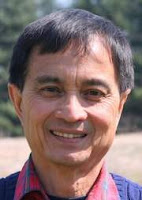
By A. Gaffar Peang-Meth
Pacific Daily News (Guam)
On May 12, I wrote about Jerry D. Weast, an education leader of one of America's most successful public school systems, who described as a leader's "toughest job ... to move from strategy to execution," which requires "teams" of "people who do the work" to sustain the change that is driven by "visionary leadership."
Thus, it's those "people who do the work" every day in their unsung roles in the office, streets or field who form teams of "heroes" and "sheroes" whose activities enable a leader to steer the organization or movement toward success.
"The power to move forward rests in staff engagement, in each person's belief that his or her role ... is critical to achieving the goal," Weast says. Teams "work within a culture" that can be poisoned by "entrenched habits, practices and structures." But "for every poison there is an antidote."
However, the contrasts between attitudes and processes of those in traditional cultures and those in a globalized modern world complicate the work of progress.
Those in the first category generally revere the old and are suspicious of the new, while those in the second seek improvement and are more accustomed to confronting change. The first are generally resigned to what is, avoid risks and are prone to fatalism; the second question what is and intervene to influence outcome.
Interwoven creative and critical thinking is medicine to deal with what Weast called "entrenched habits, practices and structures." The creative mind seeks professional educational and learning opportunities to motivate successful collaborative efforts, and to promote a culture of mutual respect. The critical mind assesses and judges the result of what the creative mind produces.
According to Weast, "cultural change gains strength when what is desired is supported and what is supported is rewarded."
One's desired goal stands a better chance of a wider support if one thinks creatively and considers M.J. Ryan's suggested "SMART" goal -- Specific, Measurable, Achievable, Relevant and Time-bound. It should make believers of people in the teams and render them more committed to achieve and sustain the visionary leader's goal.
Ryan, dubbed "an expert in human fulfillment," is an associate of the Professional Thinking Partners, which specializes in maximizing thinking and learning individually and in groups.
To Shankar Vedantam's "free rider problem" -- about a giant pothole in the middle of the block that troubles all the residents, but nobody wants to make phone calls and go through the hassle to get it fixed while everyone hopes "someone else will do the dirty work" -- an old colleague, a University of Guam faculty member, e-mailed how he and his 12-year-old nephew chose to fix "quite a big pothole in our neighborhood street." This "common-good-minded activity" of fixing a pothole was actually "more fun than a chore."
His nephew "got to spray paint" a traffic sign warning of the road work and to prepare the concrete for "the first time in his life." Both learned the "foundation/earth/dirt" composition of the street. The boy applied math skills learned in school. Both shared good laughs and received appreciative comments from neighbors, and as the boy walks past the repaired pothole each day he says, "I did this!"
Lately, there have been many calls for "unity" of people to struggle for higher goals of freedom, human rights, democracy -- all grandiose goals. There are calls to put aside differences of opinions in the name of unity.
But organizations' and movements' successes are better assured when individual members are encouraged to think creatively and critically, to innovate and take risks. Sometimes the consequences of setting aside differences of opinion to achieve a united public front may be negative.
President John F. Kennedy declared, "The unity of freedom has never relied on uniformity of opinion."
The strand of authoritarianism hidden in the different calls for a united public opinion can be dangerous: When uniformity of opinion is not achieved, what follows is usually the categorization of non-conformists as "non-supporters" of the cause, then "opponents," and then, "betrayers" of the ideals, and eventually, "traitors" to "unity" -- as has happened many times in many places across cultures and national boundaries.
Authoritarian governance condones cults of personality and directly or indirectly promotes the high-pitched emotionalism that results in the categorization of individuals and a false sense of unity that will not withstand the open discussion that is central to democratic structures.
I have occasionally referenced psychologist Jonathan Haidt's "The Happiness Hypothesis." Haidt wrote, "It's fun to laugh at a hypocrite. ... There is a special pleasure in the irony of a moralist brought down for the very moral failings he has condemned. ... Scandal is a great entertainment because it allows people to feel contempt. ... And best of all, contempt is made to share."
Check the closets of those who engage in character assassination for their hidden skeletons!
Austrian psychologist Alfred Adler, who introduced the term "inferiority feeling" that became inaccurately called "inferiority complex," said, "There is always this element of concealed accusation in neurosis ... wanting to fix the responsibility and blame upon someone."
He said: "Behind everyone who behaves as if he were superior to others, we can suspect a feeling of inferiority. ... It is as if a man feared he was too small and walked on his toes to make himself seem tall."
Recall the Turkish proverb, "A knife wound heals; a wound caused by words does not"; and Buddha's "The tongue like a sharp knife ... kills without drawing blood."
A. Gaffar Peang-Meth, Ph.D., is retired from the University of Guam, where he taught political science for 13 years. Write him at peangmeth@yahoo.com.
Thus, it's those "people who do the work" every day in their unsung roles in the office, streets or field who form teams of "heroes" and "sheroes" whose activities enable a leader to steer the organization or movement toward success.
"The power to move forward rests in staff engagement, in each person's belief that his or her role ... is critical to achieving the goal," Weast says. Teams "work within a culture" that can be poisoned by "entrenched habits, practices and structures." But "for every poison there is an antidote."
However, the contrasts between attitudes and processes of those in traditional cultures and those in a globalized modern world complicate the work of progress.
Those in the first category generally revere the old and are suspicious of the new, while those in the second seek improvement and are more accustomed to confronting change. The first are generally resigned to what is, avoid risks and are prone to fatalism; the second question what is and intervene to influence outcome.
Interwoven creative and critical thinking is medicine to deal with what Weast called "entrenched habits, practices and structures." The creative mind seeks professional educational and learning opportunities to motivate successful collaborative efforts, and to promote a culture of mutual respect. The critical mind assesses and judges the result of what the creative mind produces.
According to Weast, "cultural change gains strength when what is desired is supported and what is supported is rewarded."
One's desired goal stands a better chance of a wider support if one thinks creatively and considers M.J. Ryan's suggested "SMART" goal -- Specific, Measurable, Achievable, Relevant and Time-bound. It should make believers of people in the teams and render them more committed to achieve and sustain the visionary leader's goal.
Ryan, dubbed "an expert in human fulfillment," is an associate of the Professional Thinking Partners, which specializes in maximizing thinking and learning individually and in groups.
To Shankar Vedantam's "free rider problem" -- about a giant pothole in the middle of the block that troubles all the residents, but nobody wants to make phone calls and go through the hassle to get it fixed while everyone hopes "someone else will do the dirty work" -- an old colleague, a University of Guam faculty member, e-mailed how he and his 12-year-old nephew chose to fix "quite a big pothole in our neighborhood street." This "common-good-minded activity" of fixing a pothole was actually "more fun than a chore."
His nephew "got to spray paint" a traffic sign warning of the road work and to prepare the concrete for "the first time in his life." Both learned the "foundation/earth/dirt" composition of the street. The boy applied math skills learned in school. Both shared good laughs and received appreciative comments from neighbors, and as the boy walks past the repaired pothole each day he says, "I did this!"
Lately, there have been many calls for "unity" of people to struggle for higher goals of freedom, human rights, democracy -- all grandiose goals. There are calls to put aside differences of opinions in the name of unity.
But organizations' and movements' successes are better assured when individual members are encouraged to think creatively and critically, to innovate and take risks. Sometimes the consequences of setting aside differences of opinion to achieve a united public front may be negative.
President John F. Kennedy declared, "The unity of freedom has never relied on uniformity of opinion."
The strand of authoritarianism hidden in the different calls for a united public opinion can be dangerous: When uniformity of opinion is not achieved, what follows is usually the categorization of non-conformists as "non-supporters" of the cause, then "opponents," and then, "betrayers" of the ideals, and eventually, "traitors" to "unity" -- as has happened many times in many places across cultures and national boundaries.
Authoritarian governance condones cults of personality and directly or indirectly promotes the high-pitched emotionalism that results in the categorization of individuals and a false sense of unity that will not withstand the open discussion that is central to democratic structures.
I have occasionally referenced psychologist Jonathan Haidt's "The Happiness Hypothesis." Haidt wrote, "It's fun to laugh at a hypocrite. ... There is a special pleasure in the irony of a moralist brought down for the very moral failings he has condemned. ... Scandal is a great entertainment because it allows people to feel contempt. ... And best of all, contempt is made to share."
Check the closets of those who engage in character assassination for their hidden skeletons!
Austrian psychologist Alfred Adler, who introduced the term "inferiority feeling" that became inaccurately called "inferiority complex," said, "There is always this element of concealed accusation in neurosis ... wanting to fix the responsibility and blame upon someone."
He said: "Behind everyone who behaves as if he were superior to others, we can suspect a feeling of inferiority. ... It is as if a man feared he was too small and walked on his toes to make himself seem tall."
Recall the Turkish proverb, "A knife wound heals; a wound caused by words does not"; and Buddha's "The tongue like a sharp knife ... kills without drawing blood."
A. Gaffar Peang-Meth, Ph.D., is retired from the University of Guam, where he taught political science for 13 years. Write him at peangmeth@yahoo.com.
Subscribe to:
Posts (Atom)








