


Showing posts with label CWCC. Show all posts
Showing posts with label CWCC. Show all posts
Thursday, September 06, 2012


Friday, August 31, 2012
Let’s stop the [domestic] abuses
 |
| Woman burnt during domestic violence (RFA file photo) |
Princess Soma Norodom
The Phnom Penh Post
With the lack of enforcement of the domestic violence law, this issue is still a social problem in Cambodia. Domestic violence is a human rights violation, and against the law, and it should be taken seriously.
Domestic violence is violence that occurs in the home and between spouses. There are several types of domestic violence, including physical aggression such as hitting, kicking and throwing objects, to threats, sexual abuse, emotional abuse, controlling behaviour, intimidation and stalking. Overall, domestic violence and emotional abuse are behaviours to control the person in the relationship.
The Khmer Rouge regime left the country with the destruction of a modern societal infrastructure, violence and death. Experts have stated that the survivors of the regime, who were children at the time and are now adults, have turned to violence, because this was what they have lived through and witnessed.
I think that with the limited implementation of the law, and the corruption in the law, it has led to the serious issue of domestic violence in society. This is a serious problem for victims, families and society, as domestic violence is physically and psychologically damaging. Let’s not blame the past for the current issue, but move forward to help in the fight against domestic violence.
Tuesday, August 28, 2012

Monday, May 28, 2012

Saturday, May 26, 2012

Friday, April 27, 2012

Tuesday, March 27, 2012
Demarcation causes worry [-Khmer land given out to Vietnam?]
 |
| sVar Kim Hong (right) and Vietnamese deputy of foreign affairs Ho Xaun Son (left) sign an agreement earlier this month regarding future border demarcation. Photo by Mai Vireak |
Tuesday, 27 March 2012
Phnom Penh Post
Cambodian villagers could be cut out of their own country and sent to live in Vietnam – without ever leaving their homes, concerned civil society and opposition party spokespeople said yesterday.
Cambodian Watchdog Council representative Rong Chhun said the group feared a recent agreement to post demarcating markers along the Cambodian-Vietnam border, because entire villages would be reclassified as being in Vietnamese territory.
On behalf of the CWC, Rong Chhun issued a letter to Heng Samrin, president of the National Assembly, and 122 other members of parliament yesterday asking them to clarify details about the border demarcation process, which could also result in Vietnamese villages becoming Cambodian, he said.
“The swapping of villages is a national issue and our history must have clarity,” the letter states.

Friday, March 09, 2012

Thursday, January 19, 2012


Thursday, January 05, 2012

Tuesday, November 15, 2011

Wednesday, November 17, 2010
Kiwi jailed for rape in Cambodia accused of defamation
 |
| Graham Cleghorn - Source: NZPA |
NZPA
A Cambodian women's group is accusing a New Zealand man convicted for rape of defamation and demanded he pay $US5000 ($NZ6535) in compensation and issue an apology.
Graham Cleghorn, 62, was convicted in 2004 of raping five teenage girls between the ages of 14 and 19 who were employed as maids at his Siem Reap home.
He was sentenced to 20 years in prison and faces an extra two years per victim if he refuses to pay each of them $US2000 in compensation.
Cleghorn has accused a local NGO - Cambodian Women's Crisis Centre (CWCC) - of offering $US10,000 to his victims in exchange for them testifying against him, through various media outlets.
The defamation hearing against Cleghorn took place at the Phnom Penh Municipal Court on Monday.
CWCC manager Ket Noeun told the court the defamation complaint stemmed from Cleghorn's repeated statements through the press, the Phnom Penh Post reported.
Cleghorn argued the evidence was first heard in court so could not be defamation.
Lawyer for CWCC Mey Sophea requested the court demand Cleghorn pay $US5000 compensation and to issue a public apology.
Judge Din Sivuthy said a verdict would be announced on November 26.
Tuesday, January 26, 2010
CWC condemns the action of the Svay Rieng authority and tribunal
 Rong Chhun (Photo: Cambodge Soir Hebdo)
25 January 2010
Free Press Magazine Online
Translated from Khmer by Socheata
Click here to read the article in Khmer
On 25 January 2009, the Cambodia Watchdog Council (CWC) condemned the action of the Svay Rieng authority and tribunal to please the foreigners and that they do not have the will to defend our territorial integrity.
The CWC statement signed by Rong Chhun, a CWC representative, indicated that the accusations leveled by the Svay Rieng provincial court against H.E. Sam Rainsy for his uprooting of stakes at border post no. 185 in Koh Kban Kandal village, Samrong commune, Chantrea district, Svay Rieng province, and the arrest and incarceration of two villagers, are political in nature and they are deemed unfair.
The CWC believes that the action taken by H.E. Sam Rainsy was to defend the country’s territorial integrity in his name as a MP. Furthermore, the uprooting of stakes at border post no. 185 was not an illegal matter.
CWC believes that the arrest and incarceration of two villagers by the Svay Rieng authority during a court summon issued by the Svay Rieng provincial court are seen as an injustice towards blameless farmers whose action was only to protect their lands.
CWC believes that the Svay Rieng authority and court’s action was taken to please the foreigners, but that they have no will to protect Cambodia’s territorial integrity.
The statement concluded by calling on the Svay Rieng provincial court to drop the charges against Sam Rainsy and to provide justice for him, as well as by calling for the release of the two villagers who are currently being jailed.
The CWC statement signed by Rong Chhun, a CWC representative, indicated that the accusations leveled by the Svay Rieng provincial court against H.E. Sam Rainsy for his uprooting of stakes at border post no. 185 in Koh Kban Kandal village, Samrong commune, Chantrea district, Svay Rieng province, and the arrest and incarceration of two villagers, are political in nature and they are deemed unfair.
The CWC believes that the action taken by H.E. Sam Rainsy was to defend the country’s territorial integrity in his name as a MP. Furthermore, the uprooting of stakes at border post no. 185 was not an illegal matter.
CWC believes that the arrest and incarceration of two villagers by the Svay Rieng authority during a court summon issued by the Svay Rieng provincial court are seen as an injustice towards blameless farmers whose action was only to protect their lands.
CWC believes that the Svay Rieng authority and court’s action was taken to please the foreigners, but that they have no will to protect Cambodia’s territorial integrity.
The statement concluded by calling on the Svay Rieng provincial court to drop the charges against Sam Rainsy and to provide justice for him, as well as by calling for the release of the two villagers who are currently being jailed.
Wednesday, January 06, 2010
Cleghorn won't die in jail - official
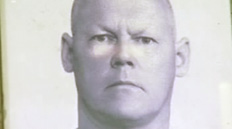 Graham Robert Cleghorn
NZPA
A Cambodian prison official says a former Wellington man jailed for rape will not die behind bars despite fears for his health from his supporters.
Prey Sar prison director Mong Kim Heng told the Phnom Penh Post that Graham Cleghorn "is strong and healthy, and I see him almost every day in prison, he can run better than you".
Cleghorn, 57, is serving a 20-year term in the Phnom Penh jail, for raping five of his employees - aged between 14 and 19 - in Siem Reap, about 300km northwest of Phnom Penh.
Cleghorn, a former temple tourist guide, faces the prospect of an extra 10 years being added to his sentence because he is unable to pay reparations to his victims.
He was jailed for 20 years in 2004 and the judge said he would serve an additional two years for each victim if he failed to pay $US2000 ($NZ2726) to each girl's family.
The Cambodian Court of Appeal has rejected two appeals by Cleghorn since then.
The New Zealand embassy in Bangkok monitors Cleghorn's wellbeing, and was in regular contact with his daughter in Australia.
His New Zealand lawyer, Greg King, told The Dominion Post Cleghorn's health was deteriorating.
Cleghorn has claimed that he was framed by the Cambodian Women's Crisis Centre (CWCC), which he alleged fabricated the story to get foreign aid money.
A spokesman for the CWCC has denied the accusation and said the group had all the documents related to the case.
Prey Sar prison director Mong Kim Heng told the Phnom Penh Post that Graham Cleghorn "is strong and healthy, and I see him almost every day in prison, he can run better than you".
Cleghorn, 57, is serving a 20-year term in the Phnom Penh jail, for raping five of his employees - aged between 14 and 19 - in Siem Reap, about 300km northwest of Phnom Penh.
Cleghorn, a former temple tourist guide, faces the prospect of an extra 10 years being added to his sentence because he is unable to pay reparations to his victims.
He was jailed for 20 years in 2004 and the judge said he would serve an additional two years for each victim if he failed to pay $US2000 ($NZ2726) to each girl's family.
The Cambodian Court of Appeal has rejected two appeals by Cleghorn since then.
The New Zealand embassy in Bangkok monitors Cleghorn's wellbeing, and was in regular contact with his daughter in Australia.
His New Zealand lawyer, Greg King, told The Dominion Post Cleghorn's health was deteriorating.
Cleghorn has claimed that he was framed by the Cambodian Women's Crisis Centre (CWCC), which he alleged fabricated the story to get foreign aid money.
A spokesman for the CWCC has denied the accusation and said the group had all the documents related to the case.
Monday, August 11, 2008
Joint statement urges quick resolution of territorial disputes
Monday, 11 August 2008
Touch Yuthea
The Mekong Times
Touch Yuthea
The Mekong Times
Cambodian human rights and development organizations, as well as trade unions and intellectuals, have united to call for a peaceful but speedy resolution of the territorial disputes between Cambodia and Thailand. The statement reiterates Cambodia’s claims over the disputed areas, asking that the international community be ready to intervene should bilateral negotiations fail.
The appeal came after a joint statement from Thai politicians, academics, human rights committees, students, soldiers and nationalists claiming that the ancient temples of Prasat Preah Vihear temple, Ta Moan Toich and Ta Moan Thom belong to Thailand.
All three sites are claimed by Cambodia, with documentary evidence – including the unequivocal June 15, 1962 the International Court of Justice decision in favor of Cambodia – tending to undermine Thailand’s repeated claims.
Cambodian civil society is deeply concerned about troop deployments that have resulted in a tense standoff between substantial contingents of black-clad Thai troops and the rag-tag Cambodian military.
The Cambodian statement notes the negative consequences of a clash, said Sok Sam Oeurn, director of the Cambodian Defenders Project (CDP) and director of Cambodian Human Rights Action Committee (CHRAC).
“If the military confrontation over the border dispute near Preah Vihear temple continues, the two countries will lose economic advantages including revenues from tourism,” he warned.
But, though he advocated a peaceful solution, Sok Sam Oeurn urged Cambodia to stick to the agreement between Thailand and France in 1904 that was signed by Thai King Chulalongkorn the Great (Rama V).
Ath Thun, director of the Coalition of Cambodia Apparel Workers’ Democratic Union, said Cambodia should file a lawsuit with the UN if Thailand drags its feet over withdrawing troops from the Preah Vihear area. He stressed that Thailand is violating Cambodian territory.
A Cambodian Women’s Crisis Center (CWCC) spokesman also urged legal arbitration citing the International Court of Justice’s 1962 ruling that awarded Cambodia control of Preah Vihear temple and its surroundings.
The Cambodian statement came as Xinhua – the official Chinese English language school news service – reported yesterday that Thailand welcomed Cambodian Prime Minister Hun Sen’s reported stance regarding the Preah Vihear dispute. Hun Sen apparently supports peaceful solutions through bilateral mechanisms, a Thai Foreign Ministry statement said Friday.
The Thai Foreign Ministry welcomed the Cambodian Prime Minister’s stance, “which is in line with Thailand’s own.”
“Thailand wishes to find a solution to the issue of the Temple of Preah Vihear in a peaceful and amicable manner, making full use of the existing bilateral mechanisms, including meetings between the two Foreign Ministers, the Thai-Cambodian Joint Boundary Commission (JBC) and the General Border Committee (GBC),” said the statement, Xinhua reported
Citing the shared 798-km-long Thai-Cambodian land border, the statement claimed that “differences of views on boundary issues between two neighboring countries are not unusual,” and that “this issue is just one small part of the overall relations between Thailand and Cambodia.”
Thailand reiterated a second meeting between newly appointed Thai Foreign Minister Tej Bunnag and his Cambodian counterpart Hor Namhong, slated for the third week of August in the Thai central coastal province of Hua Hin, should make good progress and pave the way for a solution.
The first ministerial meeting took place July 28 in Siem Reap. Both sides agreed to adjust their military deployment but no troops have yet been withdrawn.
The joint Cambodian statement requested that Thai government officials, academics, intellectuals, nationalists and citizens study the International Court’s judgment, but asked the international community, especially Asean and the UN, to be ready to step in should bilateral negotiations fail.
The appeal came after a joint statement from Thai politicians, academics, human rights committees, students, soldiers and nationalists claiming that the ancient temples of Prasat Preah Vihear temple, Ta Moan Toich and Ta Moan Thom belong to Thailand.
All three sites are claimed by Cambodia, with documentary evidence – including the unequivocal June 15, 1962 the International Court of Justice decision in favor of Cambodia – tending to undermine Thailand’s repeated claims.
Cambodian civil society is deeply concerned about troop deployments that have resulted in a tense standoff between substantial contingents of black-clad Thai troops and the rag-tag Cambodian military.
The Cambodian statement notes the negative consequences of a clash, said Sok Sam Oeurn, director of the Cambodian Defenders Project (CDP) and director of Cambodian Human Rights Action Committee (CHRAC).
“If the military confrontation over the border dispute near Preah Vihear temple continues, the two countries will lose economic advantages including revenues from tourism,” he warned.
But, though he advocated a peaceful solution, Sok Sam Oeurn urged Cambodia to stick to the agreement between Thailand and France in 1904 that was signed by Thai King Chulalongkorn the Great (Rama V).
Ath Thun, director of the Coalition of Cambodia Apparel Workers’ Democratic Union, said Cambodia should file a lawsuit with the UN if Thailand drags its feet over withdrawing troops from the Preah Vihear area. He stressed that Thailand is violating Cambodian territory.
A Cambodian Women’s Crisis Center (CWCC) spokesman also urged legal arbitration citing the International Court of Justice’s 1962 ruling that awarded Cambodia control of Preah Vihear temple and its surroundings.
The Cambodian statement came as Xinhua – the official Chinese English language school news service – reported yesterday that Thailand welcomed Cambodian Prime Minister Hun Sen’s reported stance regarding the Preah Vihear dispute. Hun Sen apparently supports peaceful solutions through bilateral mechanisms, a Thai Foreign Ministry statement said Friday.
The Thai Foreign Ministry welcomed the Cambodian Prime Minister’s stance, “which is in line with Thailand’s own.”
“Thailand wishes to find a solution to the issue of the Temple of Preah Vihear in a peaceful and amicable manner, making full use of the existing bilateral mechanisms, including meetings between the two Foreign Ministers, the Thai-Cambodian Joint Boundary Commission (JBC) and the General Border Committee (GBC),” said the statement, Xinhua reported
Citing the shared 798-km-long Thai-Cambodian land border, the statement claimed that “differences of views on boundary issues between two neighboring countries are not unusual,” and that “this issue is just one small part of the overall relations between Thailand and Cambodia.”
Thailand reiterated a second meeting between newly appointed Thai Foreign Minister Tej Bunnag and his Cambodian counterpart Hor Namhong, slated for the third week of August in the Thai central coastal province of Hua Hin, should make good progress and pave the way for a solution.
The first ministerial meeting took place July 28 in Siem Reap. Both sides agreed to adjust their military deployment but no troops have yet been withdrawn.
The joint Cambodian statement requested that Thai government officials, academics, intellectuals, nationalists and citizens study the International Court’s judgment, but asked the international community, especially Asean and the UN, to be ready to step in should bilateral negotiations fail.
Thursday, March 06, 2008
Cambodian women find shelter from abuse
Thu Mar 6, 2008
By Lach Chantha
PHNOM PENH (Reuters Life!) - Cambodia's violent past has been laid open in the "Killing Fields" war crime trials, but another widespread form of violence here remains hidden: domestic abuse.
While there are no official statistics, activists estimate that one out of every four Cambodian women is the target of abuse within her home. Many are too afraid to seek help or do not know how to, and women's shelters are still a novelty.
Scholars say decades of conflict, including the Khmer Rouge "Killing Fields" in which an estimated 1.7 million people died, have eroded family ties. Cambodians say domestic violence is problem that goes back generations.
"I see that the biggest cause of domestic violence is the seizure of power in the family. The husband has the power and he does not want his wife to complain," said Oung Chanthol, executive director of the Cambodian Women's Crisis Center (CWCC).
Chanthol's organization runs a shelter for battered women and has been involved in various activities to help women and children since 1997.
"Another cause is our tradition, which says the best way for women to deal with problems is to hide them in their minds. That is why abusive husbands are not afraid to continue violence against their wives," Chanthol added.
In the past, a prospective husband was required to serve his bride-to-be's family for a few years so the parents could make sure he was trustworthy. That custom has all but died out, but most men still move in with their wife and her family.
SCARED BUT SAFE
Cambodian women are traditionally the ones to inherit from the parents. But their status as heirs does not equal power.
Thirty-year-old Huong Him escaped from her house and abusive husband in Takeo province and has been living at the CWCC shelter with her three sons for two months. Too scared to leave the facility for fear that her husband might track her down, Him has been concentrating on learning how to sew.
Other women at the secret shelter learn skills such as cooking and hairdressing so they can support themselves once they leave.
"Now I am happy that I can stay here with my children and stay away from my husband. He cannot beat me anymore," Him said.
Many women do go on to become financially independent after leaving the shelter.
After a year at CWCC, Chap Neun, 35, a former victim of domestic violence who has since divorced her husband, opened a tailoring business in her home on the outskirts of Phnom Penh.
The business is only five months old, but Neun has a trickle of orders from neighbors which allows her to support her mother and three children.
"I don't worry anymore about my husband now. I think that I should concentrate on my work to make money to feed my children," she says.
Despite the matrilineal inheritance system, there used to be a preference for sons over daughter in Cambodia, since boys could obtain high ranking positions in the military or government as adults.
Cambodian women are still discriminated against in terms of education, legal protection and careers. But an unprecedented economic boom here has opened new opportunities for women, not only in vegetable markets and other low-skilled jobs but also in offices.
(Writing by Sophie Hardach)
While there are no official statistics, activists estimate that one out of every four Cambodian women is the target of abuse within her home. Many are too afraid to seek help or do not know how to, and women's shelters are still a novelty.
Scholars say decades of conflict, including the Khmer Rouge "Killing Fields" in which an estimated 1.7 million people died, have eroded family ties. Cambodians say domestic violence is problem that goes back generations.
"I see that the biggest cause of domestic violence is the seizure of power in the family. The husband has the power and he does not want his wife to complain," said Oung Chanthol, executive director of the Cambodian Women's Crisis Center (CWCC).
Chanthol's organization runs a shelter for battered women and has been involved in various activities to help women and children since 1997.
"Another cause is our tradition, which says the best way for women to deal with problems is to hide them in their minds. That is why abusive husbands are not afraid to continue violence against their wives," Chanthol added.
In the past, a prospective husband was required to serve his bride-to-be's family for a few years so the parents could make sure he was trustworthy. That custom has all but died out, but most men still move in with their wife and her family.
SCARED BUT SAFE
Cambodian women are traditionally the ones to inherit from the parents. But their status as heirs does not equal power.
Thirty-year-old Huong Him escaped from her house and abusive husband in Takeo province and has been living at the CWCC shelter with her three sons for two months. Too scared to leave the facility for fear that her husband might track her down, Him has been concentrating on learning how to sew.
Other women at the secret shelter learn skills such as cooking and hairdressing so they can support themselves once they leave.
"Now I am happy that I can stay here with my children and stay away from my husband. He cannot beat me anymore," Him said.
Many women do go on to become financially independent after leaving the shelter.
After a year at CWCC, Chap Neun, 35, a former victim of domestic violence who has since divorced her husband, opened a tailoring business in her home on the outskirts of Phnom Penh.
The business is only five months old, but Neun has a trickle of orders from neighbors which allows her to support her mother and three children.
"I don't worry anymore about my husband now. I think that I should concentrate on my work to make money to feed my children," she says.
Despite the matrilineal inheritance system, there used to be a preference for sons over daughter in Cambodia, since boys could obtain high ranking positions in the military or government as adults.
Cambodian women are still discriminated against in terms of education, legal protection and careers. But an unprecedented economic boom here has opened new opportunities for women, not only in vegetable markets and other low-skilled jobs but also in offices.
(Writing by Sophie Hardach)
Saturday, August 25, 2007
Watchdog Group Plans Protest Over Detained Monk
 Heng Reaksmey, VOA Khmer
Original report from Phnom Penh
24 August 2007
A citizen's watchdog group is hoping to hold a protest to call for the release of defrocked monk who has been detained in Vietnam for more than a month.
Supporters of incarcerated monk Tim Sakhorn have steadily called for his release from Vietnam, in a low-intensity information campaign that shows no sign of letting up.
Organizers said Thursday they were planning a "major" protest in hopes of pressuring Vietnamese authorities to release him.
"We hope that we succeed in our demand," said Rong Chhun, head of the Cambodia Watchdog group, which is planning the march. "It's not such as serious case that Tim Sakhorn had to be defrocked and sent to Vietnam."
Vietnam maintains Tim Sakhorn is a Vietnamese citizen who crossed back into Vietnam without proper documentation after his monkhood was taken away by Cambodian Buddhist authorities and so must be held accountable according to Vietnamese law.
Supporters of incarcerated monk Tim Sakhorn have steadily called for his release from Vietnam, in a low-intensity information campaign that shows no sign of letting up.
Organizers said Thursday they were planning a "major" protest in hopes of pressuring Vietnamese authorities to release him.
"We hope that we succeed in our demand," said Rong Chhun, head of the Cambodia Watchdog group, which is planning the march. "It's not such as serious case that Tim Sakhorn had to be defrocked and sent to Vietnam."
Vietnam maintains Tim Sakhorn is a Vietnamese citizen who crossed back into Vietnam without proper documentation after his monkhood was taken away by Cambodian Buddhist authorities and so must be held accountable according to Vietnamese law.
Friday, July 13, 2007
Media hype clouds Cleghorn rape appeal
By Lachlan Forsyth and Sam Rith
Phnom Penh Post, Issue 16 / 14, July 13 - 26, 2007
Phnom Penh Post, Issue 16 / 14, July 13 - 26, 2007
The legal wrangling and jostling for headlines in the Graham Cleghorn case look set to continue, after the Cambodian Court of Appeal upheld his conviction for rape.
At a July 10 announcement following his appeal hearing the presiding judges said they found no reason to dismiss the charges or reduce his sentence.
Cleghorn, 60, a New Zealander, was tried and convicted for the rape of five teenage girls employed at his Siem Reap home in February 2004.
"I have to say that we are all totally devastated at the outcome of the appeal and still firmly believe that Graham has not had a fair and proper hearing in to his case," said Cleghorn's New Zealand lawyer, Greg King, in a July 12 email.
King said Cambodia must ensure that minimum standards of criminal procedure were adhered to, as defined under the International Convention on Civil and Political Rights.
"This especially relates to the refusal of all courts to date to hear from the defense witnesses that Graham wanted heard at his original trial in 2004. The fact that his appeal has taken nearly three years and was 'adjourned' eight times, really makes us question what is going on over there," he said.
Oung Chanthol, director of the Cambodian Women's Crisis Centre (CWCC), an NGO that helped bring about the charges, said the organization was delighted that the decision had been upheld, and said it set a "great precedent."
"We are satisfied with the result of the verdict this morning," said CWCC Municipality Coordinator Nop Sarinsreyroth. "Even though nothing can be done to replace the damage done to the victims -at least they have now got justice."
The trial has sparked a great deal of media attention in New Zealand.
Concern about Cleghorn's first appeal hearing, held without his or his lawyer's presence, and without New Zealand or British embassy officials being notified, prompted the New Zealand government to press Cambodian court for a second appeal.
But the absence of witnesses, lawyers and Cleghorn himself meant it took numerous attempts and more than 12 months before the hearing was finally held.
After the July 10 decision was announced the New Zealand embassy consul in Bangkok, Grant Traill, said that New Zealand does not hold any opinions on the outcomes of criminal proceedings against New Zealanders.
"As long as the appeal process was in accordance with Cambodian law and proper judicial process, the verdict must be accepted," he said.
But many New Zealanders remain concerned that Cleghorn did not receive what could be considered a fair trial by New Zealand standards.
Cleghorn maintains the victims, who all worked for him, were paid up to $10,000 each by the CWCC to testify against him.
Further accusations that the original judge was in cahoots with the CWCC and was intending to blackmail Cleghorn for his land, did little to quell rumors that Cleghorn had been set up.
While the legal wrangling continues, the media is proving an increasingly important player in this drama.
The handling of the trial and subsequent appeals ensured that doubts still lingered in New Zealand about the efficiency and efficacy of the Cambodian justice system, and as a result the case received widespread media coverage.
Not all of that coverage was been deemed helpful to Cleghorn's cause.
Dunedin-based Cleghorn supporter Dr Lynley Hood said the serious nature of the allegations carried a powerful emotional impact and profound sense of urgency. Hood is the author of "A City Possessed," a book which questioned the methods used to gain the high-profile conviction Peter Ellis on child sex abuse charges. Hood said there were parallels between the two cases.
"These factors can cloud any dispassionate consideration of the facts. As a result, the accused's right to natural justice is often swept aside in the rush to judgment, and allegations tend to be treated as established facts," Hood said via email.
"Nothing is more damaging and defamatory than wrongly accusing a man of being a pedophile," she added.
Meanwhile, the CWCC has been critical of a so-called "smear campaign" launched by the New Zealand media.
"It is surprising and sorry to see the low quality of professionalism of some NZ media. Most articles presented only one-sided-information, echoing the voice of Cleghorn, his supporters or sympathizers, who strategically slandered or defamed CWCC to get the attention out of his case," she said.
Chanthol said often little effort was made to contact either the victims or CWCC and she has consistently denied Cleghorn's claims the CWCC had bribed victims.
"[Cleghorn] has been shown as innocent and sympathetic by stating that he lost weight, attempted to commit suicide, his teeth were falling out...these articles completely failed to say about the suffering, tears, trauma, and future of the girls and their families," Chanthol told the Post.
"I could not understand those articles which condemned CWCC, which helps thousand girls who were raped, trafficked and beaten up by their abusive husbands, while they were campaigning for the convicted. Would they do that if the case happened in New Zealand?"
King said his client had a lot of support in New Zealand, and a media campaign was being used to maintain public momentum for the case.
At a July 10 announcement following his appeal hearing the presiding judges said they found no reason to dismiss the charges or reduce his sentence.
Cleghorn, 60, a New Zealander, was tried and convicted for the rape of five teenage girls employed at his Siem Reap home in February 2004.
"I have to say that we are all totally devastated at the outcome of the appeal and still firmly believe that Graham has not had a fair and proper hearing in to his case," said Cleghorn's New Zealand lawyer, Greg King, in a July 12 email.
King said Cambodia must ensure that minimum standards of criminal procedure were adhered to, as defined under the International Convention on Civil and Political Rights.
"This especially relates to the refusal of all courts to date to hear from the defense witnesses that Graham wanted heard at his original trial in 2004. The fact that his appeal has taken nearly three years and was 'adjourned' eight times, really makes us question what is going on over there," he said.
Oung Chanthol, director of the Cambodian Women's Crisis Centre (CWCC), an NGO that helped bring about the charges, said the organization was delighted that the decision had been upheld, and said it set a "great precedent."
"We are satisfied with the result of the verdict this morning," said CWCC Municipality Coordinator Nop Sarinsreyroth. "Even though nothing can be done to replace the damage done to the victims -at least they have now got justice."
The trial has sparked a great deal of media attention in New Zealand.
Concern about Cleghorn's first appeal hearing, held without his or his lawyer's presence, and without New Zealand or British embassy officials being notified, prompted the New Zealand government to press Cambodian court for a second appeal.
But the absence of witnesses, lawyers and Cleghorn himself meant it took numerous attempts and more than 12 months before the hearing was finally held.
After the July 10 decision was announced the New Zealand embassy consul in Bangkok, Grant Traill, said that New Zealand does not hold any opinions on the outcomes of criminal proceedings against New Zealanders.
"As long as the appeal process was in accordance with Cambodian law and proper judicial process, the verdict must be accepted," he said.
But many New Zealanders remain concerned that Cleghorn did not receive what could be considered a fair trial by New Zealand standards.
Cleghorn maintains the victims, who all worked for him, were paid up to $10,000 each by the CWCC to testify against him.
Further accusations that the original judge was in cahoots with the CWCC and was intending to blackmail Cleghorn for his land, did little to quell rumors that Cleghorn had been set up.
While the legal wrangling continues, the media is proving an increasingly important player in this drama.
The handling of the trial and subsequent appeals ensured that doubts still lingered in New Zealand about the efficiency and efficacy of the Cambodian justice system, and as a result the case received widespread media coverage.
Not all of that coverage was been deemed helpful to Cleghorn's cause.
Dunedin-based Cleghorn supporter Dr Lynley Hood said the serious nature of the allegations carried a powerful emotional impact and profound sense of urgency. Hood is the author of "A City Possessed," a book which questioned the methods used to gain the high-profile conviction Peter Ellis on child sex abuse charges. Hood said there were parallels between the two cases.
"These factors can cloud any dispassionate consideration of the facts. As a result, the accused's right to natural justice is often swept aside in the rush to judgment, and allegations tend to be treated as established facts," Hood said via email.
"Nothing is more damaging and defamatory than wrongly accusing a man of being a pedophile," she added.
Meanwhile, the CWCC has been critical of a so-called "smear campaign" launched by the New Zealand media.
"It is surprising and sorry to see the low quality of professionalism of some NZ media. Most articles presented only one-sided-information, echoing the voice of Cleghorn, his supporters or sympathizers, who strategically slandered or defamed CWCC to get the attention out of his case," she said.
Chanthol said often little effort was made to contact either the victims or CWCC and she has consistently denied Cleghorn's claims the CWCC had bribed victims.
"[Cleghorn] has been shown as innocent and sympathetic by stating that he lost weight, attempted to commit suicide, his teeth were falling out...these articles completely failed to say about the suffering, tears, trauma, and future of the girls and their families," Chanthol told the Post.
"I could not understand those articles which condemned CWCC, which helps thousand girls who were raped, trafficked and beaten up by their abusive husbands, while they were campaigning for the convicted. Would they do that if the case happened in New Zealand?"
King said his client had a lot of support in New Zealand, and a media campaign was being used to maintain public momentum for the case.
Thursday, July 05, 2007
Cambodian court delays verdict in New Zealander's appeal
Wed, 04 Jul 2007
DPA
DPA
Phnom Penh - The Cambodian Appeal Court on Wednesday reserved its verdict on an appeal by a New Zealand national convicted of rape in the man's ninth attempt to have the appeal heard. Graham Robert Cleghorn, 59, was arrested in 2003 and sentenced to 20 years in prison by Siem Reap Provincial Court in 2004 for the rape of five of his female staff.
Judge Thou Mony Wednesday conducted a closed hearing with Cleghorn and three of the five women who brought the original complaints in attendance, as well as representatives from the non-governmental organizations which supported them through the legal process, and New Zealand embassy officials who had flown in from Bangkok.
No witnesses for Cleghorn appeared. The court did not give a reason for that exclusion.
Judge Mony adjourned the hearing after about three hours of testimony and reserved his judgement until July 10.
Since his arrest, Cleghorn has maintained he has been framed by powerful interests who want his valuable land on the edge of the Angkor Wat temple complex in the northern tourist hub of Siem Reap.
Shortly before the court was closed to the public Wednesday, Cleghorn reiterated his allegations to the new appeal judge Mony and claimed a local women's group, the Cambodian Women's Crisis Center (CWCC), had incited local women to come forward and make claims against him with promises of financial gain.
The CWCC has consistently denied the charges, calling them ridiculous. CWCC founder Oung Chanthol was awarded an honour for her work by the US embassy in Phnom Penh before resigning earlier this year, citing fatigue.
Judge Thou Mony Wednesday conducted a closed hearing with Cleghorn and three of the five women who brought the original complaints in attendance, as well as representatives from the non-governmental organizations which supported them through the legal process, and New Zealand embassy officials who had flown in from Bangkok.
No witnesses for Cleghorn appeared. The court did not give a reason for that exclusion.
Judge Mony adjourned the hearing after about three hours of testimony and reserved his judgement until July 10.
Since his arrest, Cleghorn has maintained he has been framed by powerful interests who want his valuable land on the edge of the Angkor Wat temple complex in the northern tourist hub of Siem Reap.
Shortly before the court was closed to the public Wednesday, Cleghorn reiterated his allegations to the new appeal judge Mony and claimed a local women's group, the Cambodian Women's Crisis Center (CWCC), had incited local women to come forward and make claims against him with promises of financial gain.
The CWCC has consistently denied the charges, calling them ridiculous. CWCC founder Oung Chanthol was awarded an honour for her work by the US embassy in Phnom Penh before resigning earlier this year, citing fatigue.
Subscribe to:
Posts (Atom)








